
TemperatureWise vs Therma, now GlacierGrid: watch the box, or run it
By Vimal Bhaya, Founder and Lead Systems Architect · Last reviewed 14 September 2026
This is a continuation of TemperatureWise vs Competitors, a 12-part tutorial. You are on part 7 of 12.
Therma rebranded as GlacierGrid in 2024. The monitoring product is still there. The company now sells energy management on top of it, including demand response that precools the site to shave a utility peak.
That can cut a bill. It also asks the food and the compressor to act as a thermal battery. Software cannot add mass to a thin wall. TemperatureWise does not run your equipment. It watches the full temperature history with a proprietary mix of machine learning, and it leaves the setpoint alone.
This page is about Therma the monitoring company, now GlacierGrid. It is not about Cooper-Atkins ThermaData USB loggers.
What GlacierGrid still gets right as a monitor
Before the rebrand, Therma was a temperature monitoring company. That product did not vanish. GlacierGrid still posts a monitoring price, ships a hub and sensors, and sends phone, text, email and push alerts.
Three things that product does well.
The monitoring price is on the page. A starter kit is listed at $30 a month for one hub and two sensors, and that two-sensor kit is the minimum. Extra sensors are $15 each per month. Hardware sits inside that fee. For a buyer who wants a number before a call, that is more honest than most energy platforms. Energy monitoring and demand response are not priced there.
The radio is in the right band for a walk-in. Sensors talk LoRaWAN to the hub. Their published help centre says the hub can hear a sensor about 1,200 feet away, and that the signal is meant to cross fridge walls. TemperatureWise uses LoRa for the same physical reason. The two are not the same stack, and that is a later section.
Cellular is built into the hub as a fallback. Plug in Ethernet and the hub uses that first. If your internet dies, a SIM in the hub is supposed to take over at no extra line on the monitoring plan. That is a real design, and we will say so.
"I was not impressed with the first demo ~3 years ago, but I saw some meaningful improvements in the most recent."
Operator, r/foodsafety, about Therma
That quote is from before the rebrand. It is still the fairest user note we have: the monitoring product got better, and people were watching it as a food-safety tool, not as a utility play.
TemperatureWise catches a failing unit before GlacierGrid's threshold fires
This is why you pick TemperatureWise. GlacierGrid's monitoring page describes alerts when temperature or humidity leave a range you set. That is a number crossing a line. By then the machine has already failed.
Getting a temperature alert after the machine fails is like driving with the rear-view mirror. You see the wreck. You do not see the road.
TemperatureWise uses a proprietary mix of machine learning on the full temperature history, not just the current reading. A unit losing gas changes the shape of the record. So does a dirty condenser, or a defrost that no longer recovers. Those shifts show up days before any threshold fires. That is a weekday tech call, not warm food on a Sunday night.
GlacierGrid can still be a useful watch if all you want is the number. TemperatureWise is the one that tries to tell you the compressor is dying while the box still looks fine. We showed the difference, with real data, on threshold vs rate-of-change alerting.
TemperatureWise and GlacierGrid side by side
| TemperatureWise | Therma / GlacierGrid | |
|---|---|---|
| What it is | Temperature monitoring. Pattern-based alerts. Does not run the compressor | Monitoring plus energy management. Demand response and HVAC control sit on the same platform |
| Hardware | You buy it. $25 (BLE) or $200 (LoRa), plus $50 to $450 for the hub or gateway | Inside the monthly fee. Starter: one hub and two sensors. Two sensors is the minimum |
| Ongoing cost | $250 per sensor per year. Texts, calls and all features in. One sensor is enough | $15 per sensor per month ($180 a year). Floor is two sensors: $30 a month for the starter. You cannot buy one. Energy monitoring and demand-response prices are not published |
| How it detects | A proprietary mix of machine learning on the full temperature history, not just the current reading | Threshold alerts on temperature and humidity. Separate energy product claims equipment insights |
| Alerts | Email, text, phone call. Many people. Keeps going until someone picks up | Phone call, text, email and push |
| Radio | BLE to a hub near the boxes, or private LoRa to one gateway | LoRaWAN sensors to their hub |
| Path out of the building | Your internet, free. Cellular $125 once and $50 a year per site, however many sensors | Ethernet as the default. 4G backup included on the monitoring plan. SIM-only may add a fee |
| Runs the box | No. TemperatureWise does not change setpoints | Yes, on the energy product. Precooling and load shedding are the pitch |
| Calibration | NIST-traceable calibration available. Factory cal ±0.2°C (±0.36°F) | Published sensor accuracy about ±0.3°C (±0.5°F) at 77°F (25°C). NIST not listed on the monitoring page |
| Battery | About 2 years (BLE) or 5 to 8 years (LoRa) | Published as typically 10+ years on the cell they ship |
Our prices are on the TemperatureWise page. GlacierGrid monitoring prices are from their published monitoring page, checked September 2026. The starter is the floor: one hub and two sensors. You cannot buy a one-sensor GlacierGrid watch.
The price of energy monitoring and demand response is not known. Demand response is most likely a pay-for-performance or shared-savings contract. That is a guess. GlacierGrid does not publish it, so we do not invent a number.
GlacierGrid demand response is penny wise without thermal mass
It may not work as smoothly without extra spend on the building. Or it works by overcooling the food. Not all food can be safely over-frozen. Extra cold can destroy the texture: ice in lettuce, dry edges on meat, a mushy thaw later.
Demand response is a deal with the utility. When the grid is tight, the utility pays you, or credits you, to use less power for a window of time.
A cooling site can play that game in two ways. It can shed load by letting the box warm a little. Or it can precool, running extra cold before the peak so it can coast through it. GlacierGrid's own operations copy names intelligent precooling and automated demand response as the energy product.
On a building with heavy walls, or with phase-change material built into the insulation, extra cold is stored in the fabric. The air and the food move slowly. The compressor is not asked to be a battery.
Most walk-ins are not that building. They are thin foam between two metal skins. The thermal mass is the food. If you pull the air down hard, you pull the food with it. The compressor also pays: it short-cycles, or it runs at a lower suction than it was designed for. That shows up later as a repair, not as a line on this month's bill.
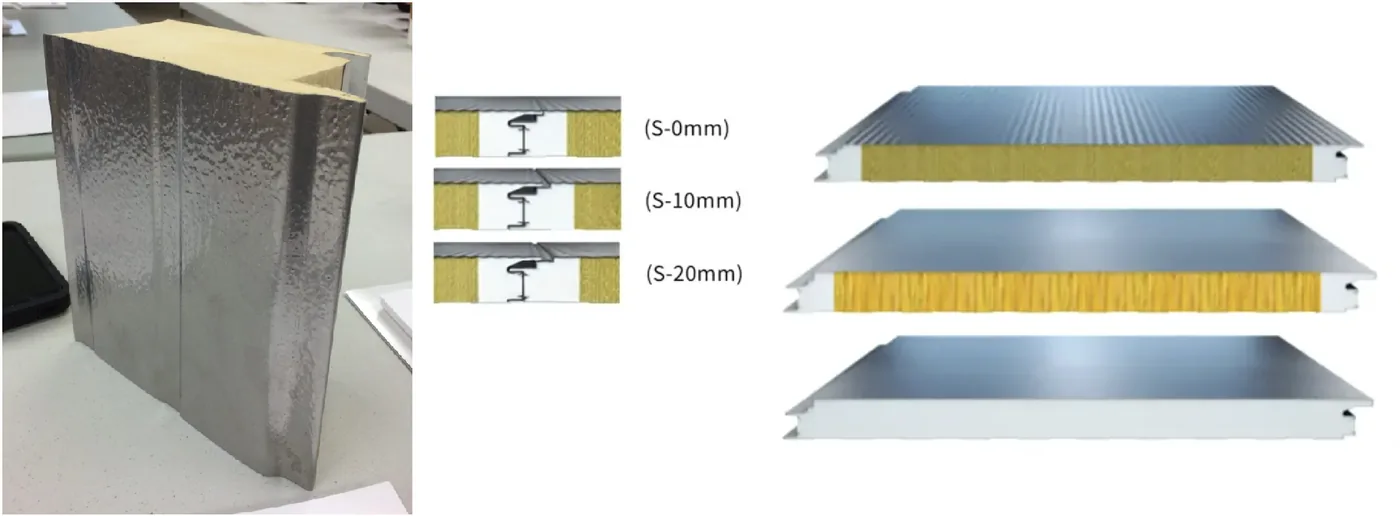
Software can schedule a setpoint. It cannot add mass to a wall. Phase-change packs in the panels would. Without them, precooling is a bet that a cheaper kilowatt-hour is worth more than the product and the machine. Penny wise, pound foolish.
Catching a store that is already overcooling is a different, better idea. GlacierGrid publishes a customer line about utility savings from catching over-cooling. TemperatureWise will also show you a box that is running colder than it should, because that pattern is in the history. What TemperatureWise will not do is drive the box colder on purpose to make a utility event.
GlacierGrid's hub wants a LAN drop, then falls back to cellular
Their published help centre is clear. The hub has a SIM. Out of the box it will use cellular. They still tell you to plug an Ethernet cable from the hub's WAN port into your router's LAN port, and they say the hub will prefer that cable when it is in.
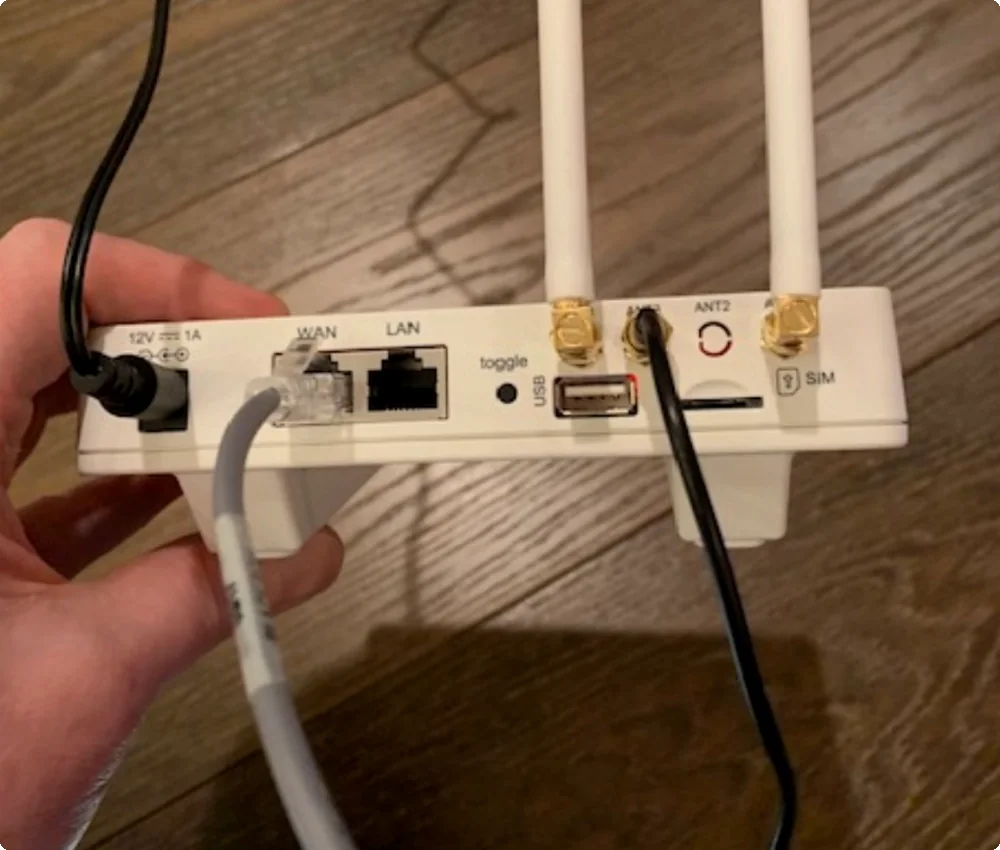
So the monitoring plan includes a backup path. The path they want you to live on is your local network. You have to provide that drop. A site with no spare LAN port, or a landlord who will not let you touch the rack, is not a clean install.
TemperatureWise treats connectivity as a line item you pick. Your own internet is free. Cellular is $125 once and $50 a year per location, and it covers every sensor behind it. The physics of those two hops, sensor to gateway and gateway to internet, is on cellular or Wi-Fi.
TemperatureWise LoRa is a private radio, not a LoRaWAN network
LoRa is the chirp radio. LoRaWAN is a rulebook on top of it: when a sensor may speak, how it joins, how the packet is encrypted, how a gateway hands it to a server. GlacierGrid uses the rulebook. TemperatureWise uses the radio on a private link to our own gateway.
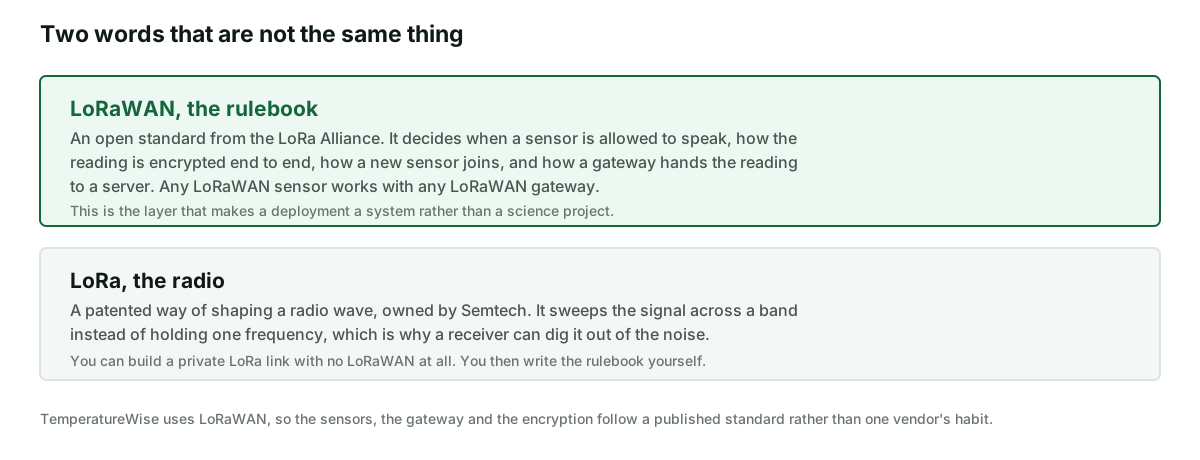
In practice: a LoRaWAN sensor is built to talk to any LoRaWAN gateway. That is handy for a vendor who wants one SKU. It also means the airtime, the join process and the duty cycle follow that standard, not a cold-room schedule you chose. TemperatureWise LoRa reports every 15 minutes on a link we control. The BLE tier samples every minute and writes every 5. The full radio comparison is on LoRa, 433 MHz, Wi-Fi and Zigbee for cold rooms.
The quick pick
| If you... | Pick |
|---|---|
| Want to catch a dying compressor before the box goes warm, not an alert after the machine has already failed | TemperatureWise. Getting the alert after the failure is the rear-view mirror |
| Want a posted monthly monitoring fee with hardware included, two sensors minimum, and you have a LAN drop | GlacierGrid monitoring. $15 a sensor a month is the cheaper watch, if two sensors is acceptable |
| Want someone to run HVAC and refrigeration for a utility saving | GlacierGrid energy. That is the product they rebranded to sell. Ask what they do to the setpoint. The price is not published |
| Want monitoring that does not touch the compressor | TemperatureWise |
| Need to spot a fault before the temperature crosses a line | TemperatureWise |
| Need NIST-traceable calibration and a record you can export years later | TemperatureWise |
| Run one or two boxes in a restaurant and want to own the hardware | TemperatureWise on the BLE tier |
| Already like GlacierGrid for energy, and still want independent temperature evidence | Both. Let them run the bill. Let TemperatureWise keep the record the equipment cannot reach |
Where TemperatureWise falls short in this match-up
GlacierGrid's monitoring SKU is cheaper per sensor, once you are past the two-sensor floor. $180 a year against $250, and the hub is in the fee. If all you want is a number on a phone and you are fine renting the hardware, their list price wins.
TemperatureWise does not cut your electricity bill. We do not talk to the utility, we do not shed load, and we do not precool. If a chain's buying reason is a 10 percent energy target, we are the wrong vendor for that line item.
Their published battery life is longer. 10+ years on the cell they ship, against about 2 years on our BLE sensor and 5 to 8 on LoRa. If swapping cells is the thing you refuse to do, ask them to show that figure at freezer temperature, not at a lab bench.