AI That Catches Equipment Failures Before They Cost You
Renergy combines IoT sensors with proactive AI to monitor your critical equipment 24/7, catching failures days before they happen, cutting maintenance costs up to 25%, and keeping your operations running without interruption.

Full Stack Integrated IoT Solutions
Explore our range of products, each designed to offer specific solutions, from monitoring to maintenance, ensuring energy efficiency and operational excellence.
Walk-In Cooler & Freezer Monitoring
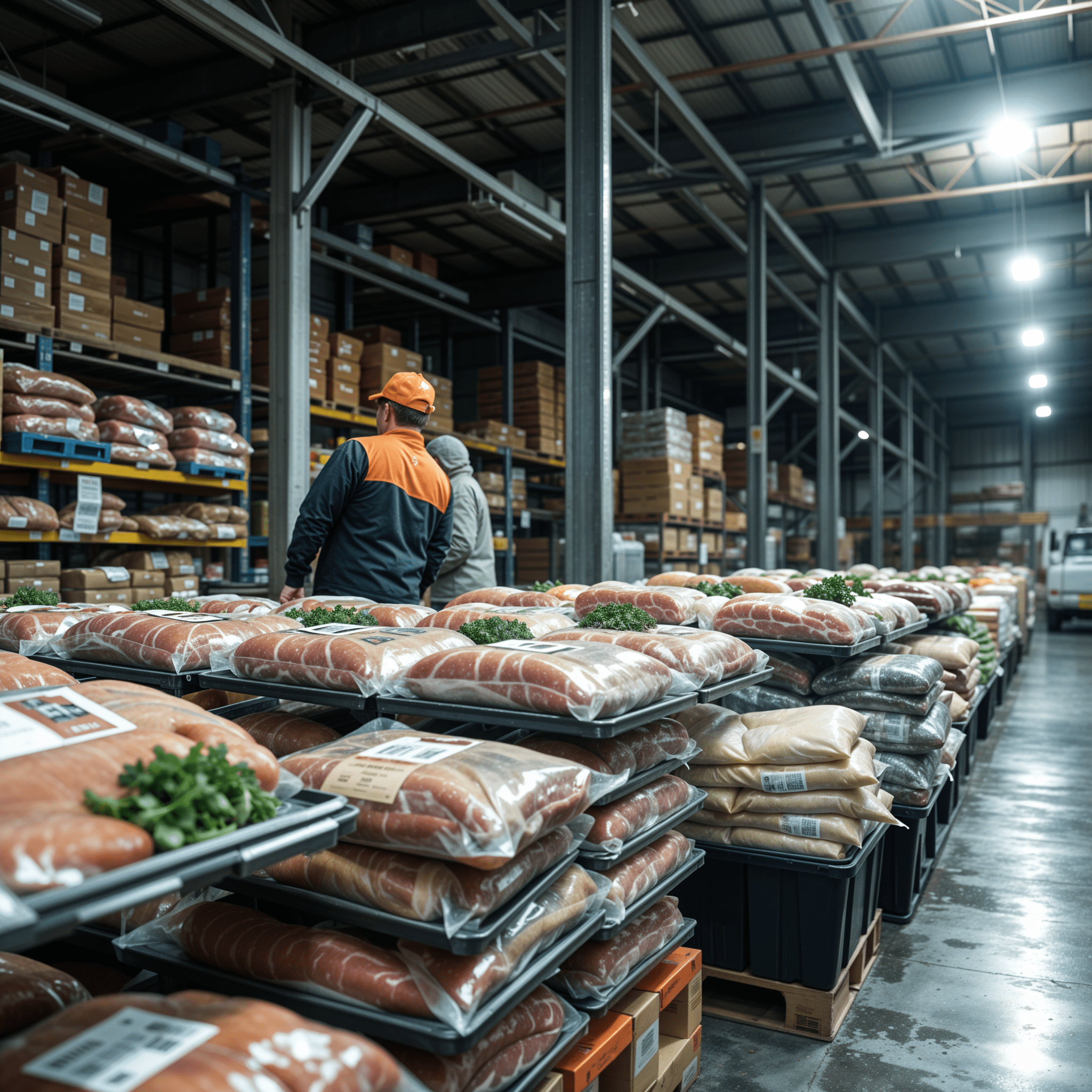
TemperatureWise is proactive AI for walk-in coolers, freezers and cold storage. It catches refrigeration faults at least 4-5 days before failure, names the root cause, and alerts you before you lose inventory.
AI Equipment Intelligence
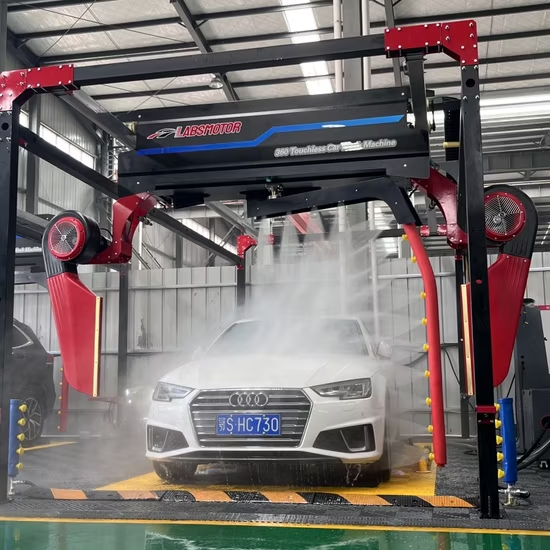
EcoWise uses advanced IoT sensors to monitor vibration, motor health, and fluid levels in your heaviest equipment. From car wash water pumps to industrial cooling towers, catch mechanical failures before they stop your operations.
AI Maintenance Management
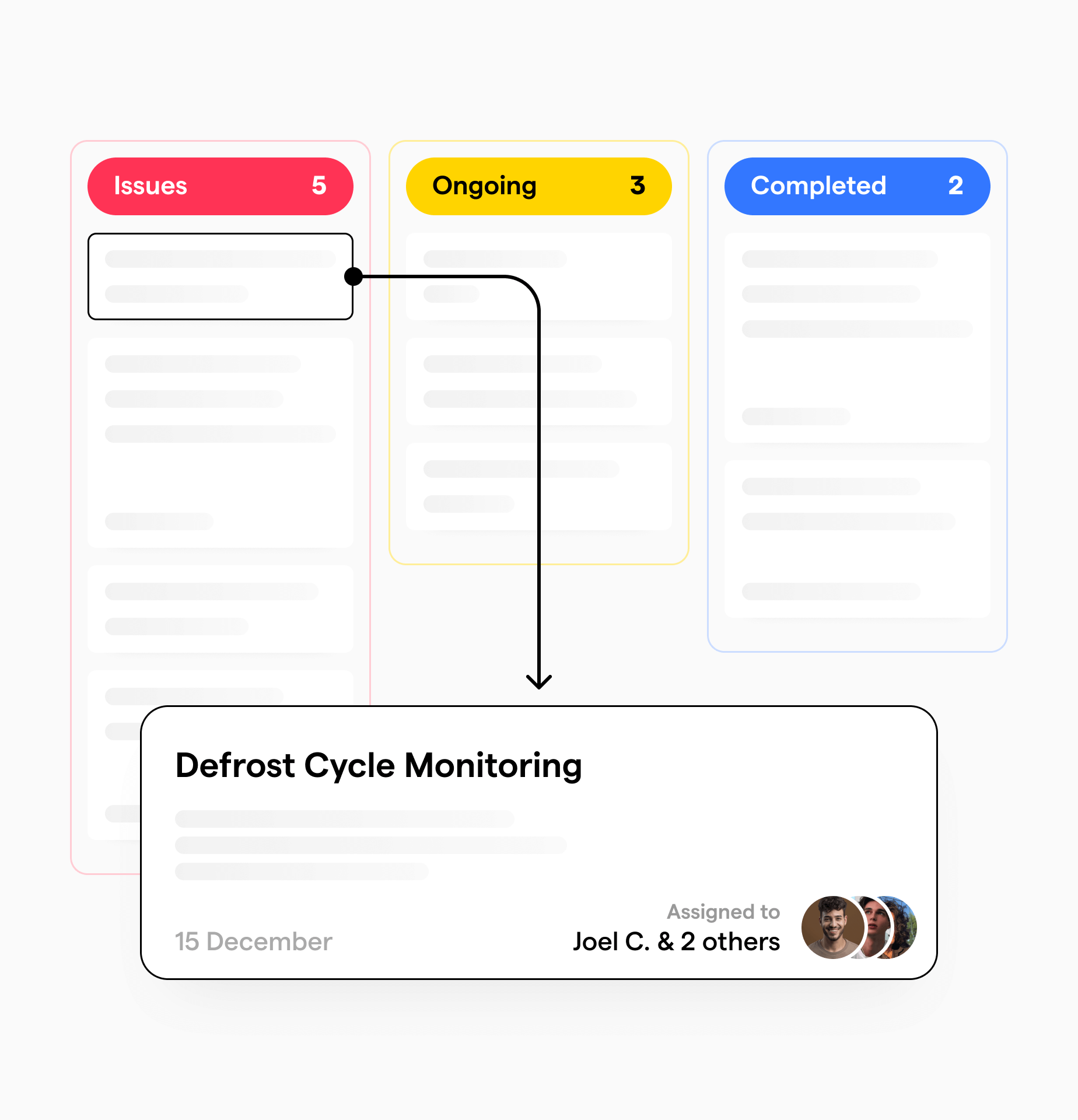
Streamline maintenance process by automatically generating work orders. Ensure prompt repairs, minimize downtime, and prolong equipment lifespan.
Automated Climate Optimization
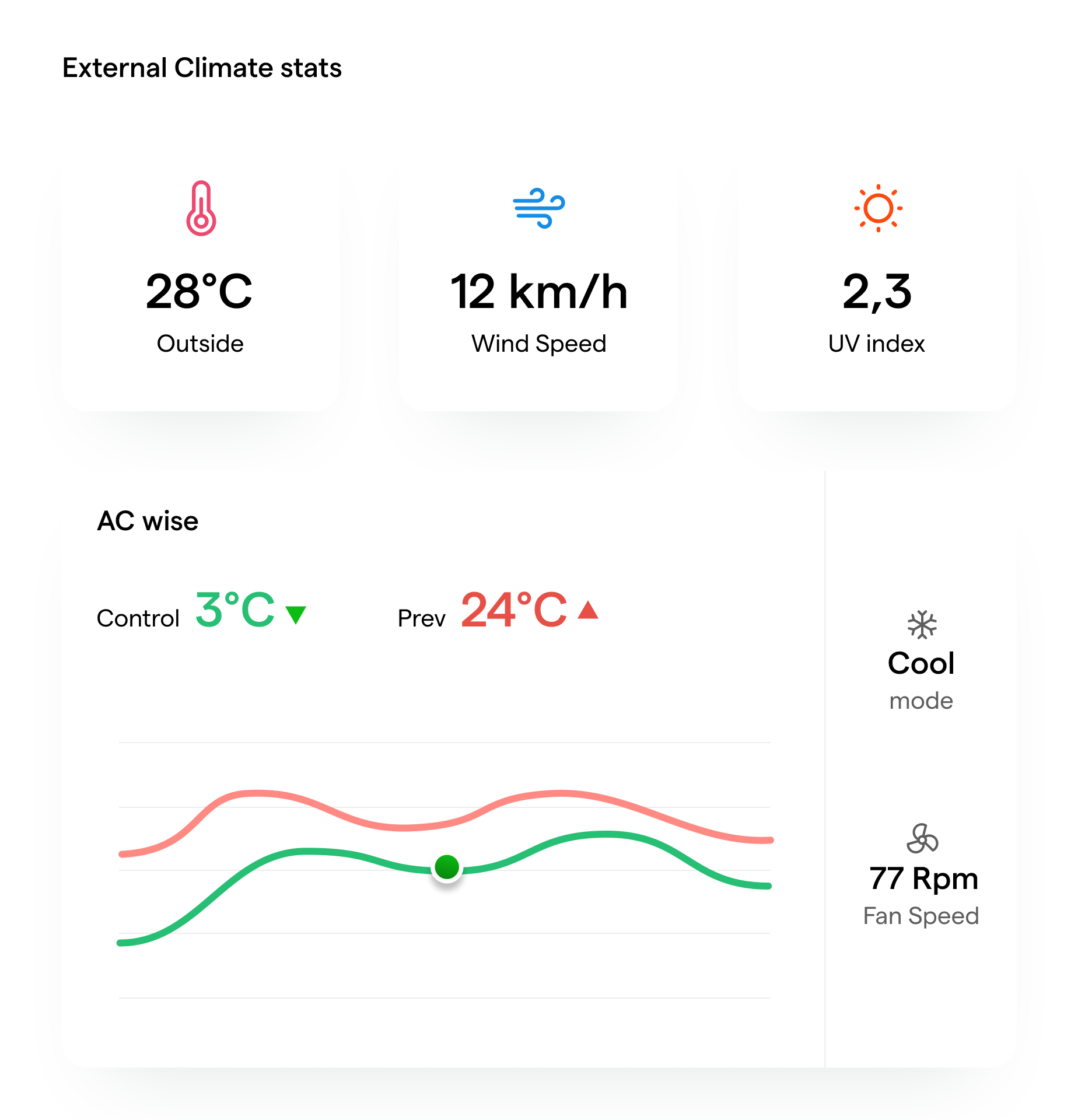
Intelligently adjusts AC and HVAC systems based on occupancy, weather, and other factors, delivering comfort to your customers and reducing energy costs by up to 25%.
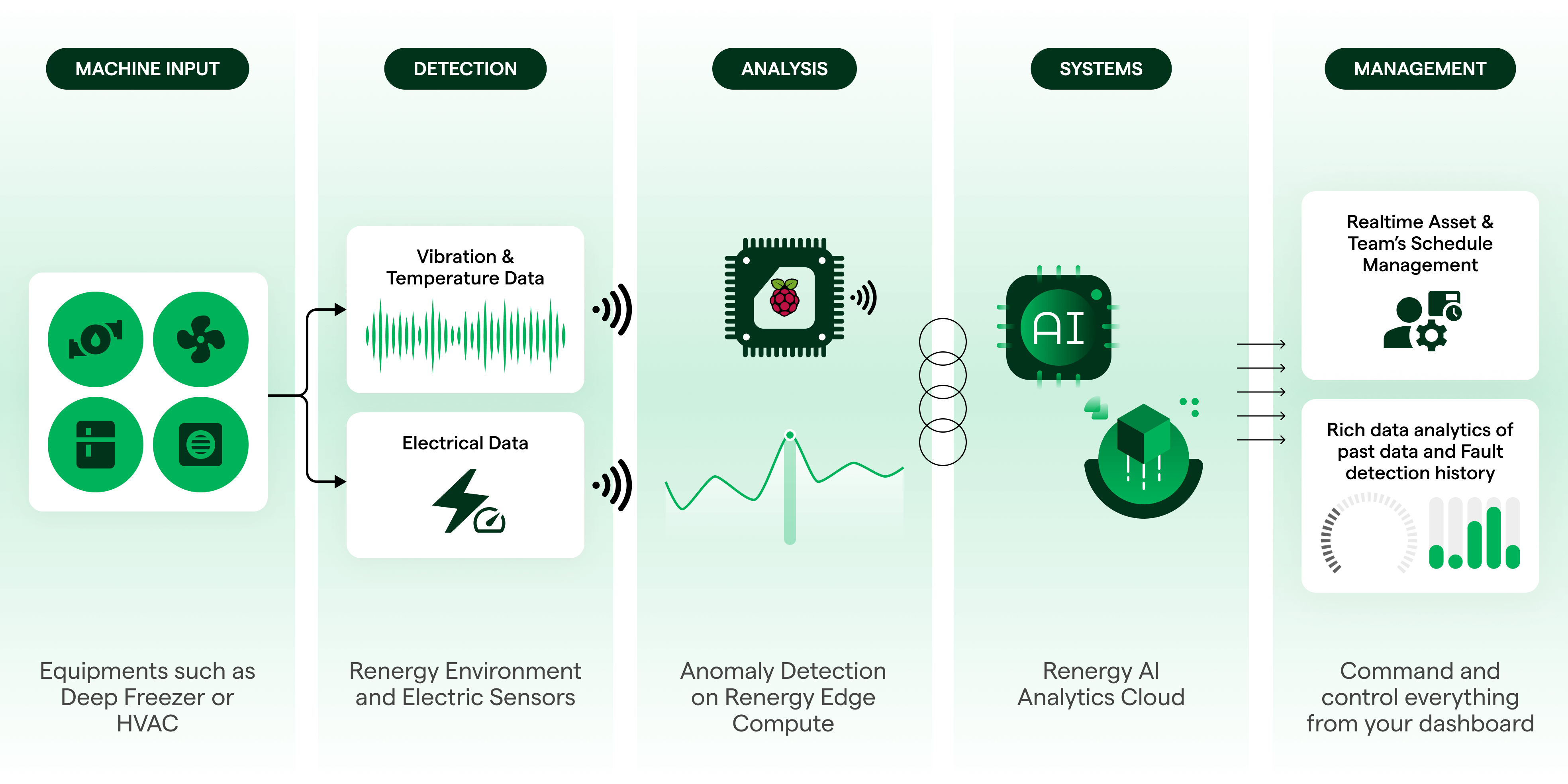
From fault detection in equipment to fault resolution
Why Choose Renergy
Renergy stands at the forefront of technological innovation in equipment maintenance, offering a suite of IoT-powered solutions. Our commitment is to deliver unparalleled value to our customers through the following key propositions.
Cost and Maintenance Efficiency
Renergy blends cost savings with enhanced maintenance efficiency. Our platform cuts repair expenses, extends equipment life, and uses AI insights for proactive upkeep, reducing downtime and saving up to 25% on costs.
Improved Customer Comfort
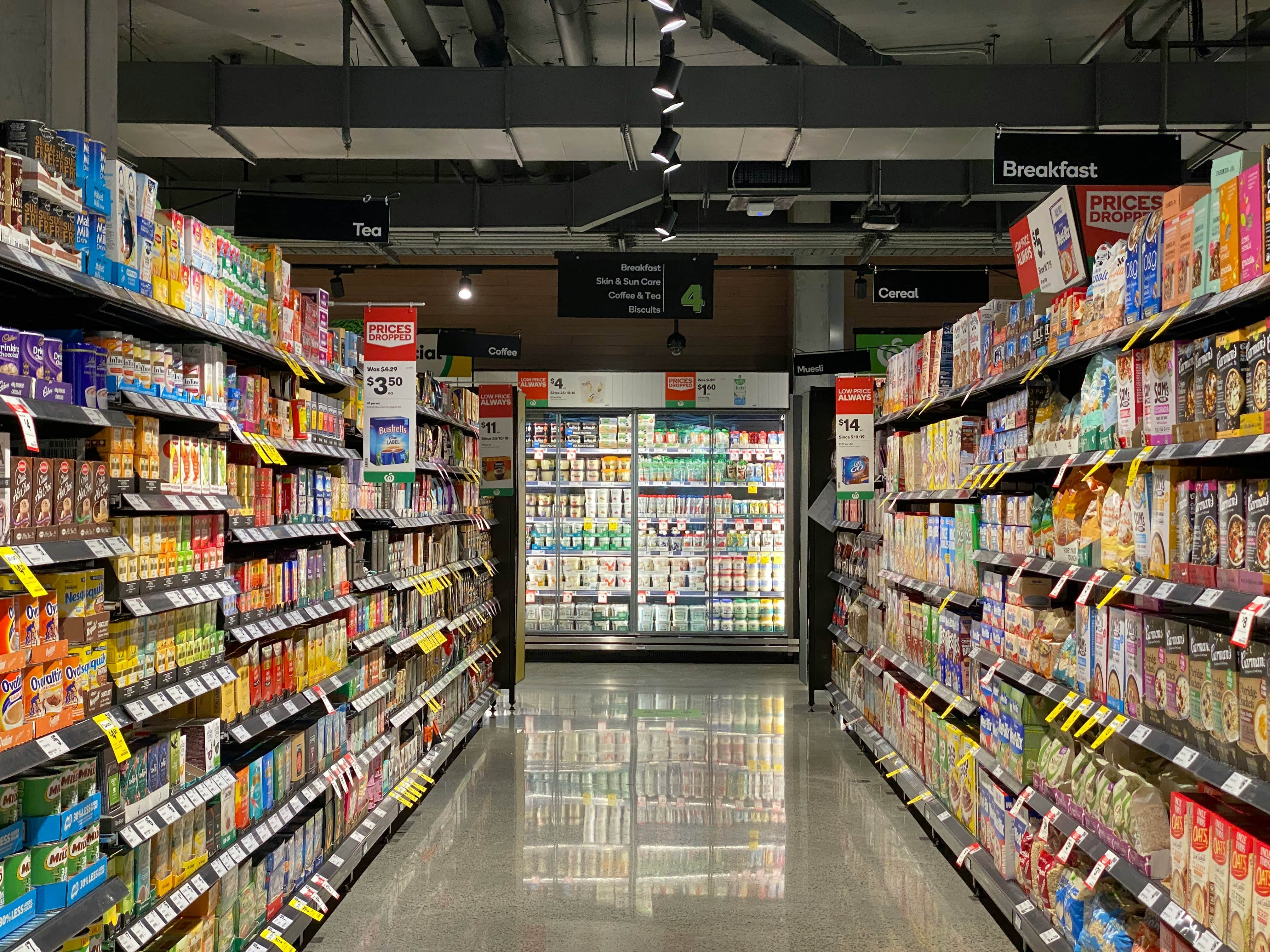
We ensure that food quality and ambient conditions in retail and dining spaces are consistently optimal. This leads to enhanced customer satisfaction, as environments are always comfortable, and food items remain fresh due to efficiently functioning refrigeration systems.
Uptime Assurance
Safeguard your operations against unexpected downtime. We proactively detect and address potential issues such as refrigerant leaks and failing motors and bearings. By preventing downtime, we help preserve your revenue streams and maintain uninterrupted service, keeping your business always on the move.
Reduce Waste
Our technology plays a critical role in reducing food wastage and lowering carbon emissions. By optimizing the performance of refrigeration and air conditioning units, we contribute to environmentally sustainable practices, aligning with the growing global emphasis on eco-friendly operations.

FAQs
We support monitoring of HVAC, refrigeration equipment and electrical motors of almost all manufacturers and varying sizes. Whether you have centralized, secondary loop systems or standalone refrigeration units, we support all!
Yes, we support most HVAC and refrigeration systems. Whether you have centralized HVAC, split or VRF air conditioning, we can handle them all! For refrigeration, we've similarly done installs for centralized, secondary loop systems or standalone refrigeration units.
Yes. Temperature is a critical control point under HACCP, and monitoring it is one of the seven HACCP principles: you must measure it, record the measurement, and record the corrective action when a reading goes out of range.
HACCP does not require the monitoring to be automated. It requires it to be documented and verifiable. That is the practical difference between a paper log and a continuous system. A paper log records what someone wrote down; a continuous system records what actually happened, including overnight and at weekends when nobody is there to write anything down.
A sensor inside the freezer sends readings to a gateway on site, and you see them on a phone or web dashboard with alerts when a reading goes out of range.
The hard part is the radio, not the app: Wi-Fi and Zigbee do not pass through an insulated freezer panel, which is why most systems run a wired probe through the wall. TemperatureWise uses LoRaWAN instead, which passes through several walls of steel and insulation, so nothing has to be cut into the box.
We publish our pricing, which most of this category does not. Connectivity is free if you supply the internet, or $50 a year per location for cellular. Hardware is one-time and scales with site size, from $100 per location plus $25 per unit for a small site up to $450 per location plus about $600 per walk-in for a large one. Monitoring is $250 per sensor per year.
A mid-sized restaurant with two walk-ins and its own Wi-Fi pays $1,050 up front and $1,000 a year. Full breakdown on the TemperatureWise page.
If you want monitoring to survive a power cut, we supply a backup mini-inverter for $125 as a one-time cost. It needs the cellular connectivity package, because a power cut usually takes your router down with it, and a monitor running on site Wi-Fi goes silent at exactly the moment you most need it to speak up.
With the backup installed, the cellular connection stays up through the outage, so the sensor keeps logging and reporting without any gap and nothing needs re-pairing by hand once power returns.
In the warmest part of the box under normal operation, which is usually near the door and away from the evaporator's direct discharge. Mounting it in the evaporator airflow gives you a reading that looks better than the food's actual temperature, which is the most common placement mistake we see.
For product temperature rather than air temperature, the probe sits in a buffer, typically a sealed bottle of glycol, so the reading follows what the food is doing instead of spiking every time somebody opens the door. Renergy supplies the buffer where it is needed and matches it to what you actually store, because the right buffer for cases of frozen protein is not the right one for a cooler holding fresh produce.
A computerised maintenance management system: software that holds your assets, schedules preventive maintenance against them, issues and tracks work orders, and keeps the history of what was done to what.
In practice it is the difference between maintenance living in someone's head plus a shared spreadsheet, and maintenance living in a system that tells you what is due and proves what was completed.
SAP is an ERP with a maintenance module inside it: it can do CMMS work, but it is not a CMMS. An ERP runs finance, procurement and HR and treats maintenance as one department among many; a CMMS does maintenance only, and is built for the technician standing in front of a broken compressor. Many organisations run both.
We publish it: SiteWise is free on the basic tier, $15 per user per month on Premium, and $40 per user per month on Enterprise. Most of this category makes you take a sales call to learn the number.
For a single site with a handful of assets, a spreadsheet genuinely works. It stops working when more than one person needs to update it, when you need to prove to someone external that a task was done, or when preventive maintenance starts getting skipped because nothing chases it.
SiteWise has a genuinely generous free tier, so you can outgrow a spreadsheet without needing a purchase order first.
Yes, a native app on Android and iOS, so work orders are opened, updated and closed in front of the equipment. It works offline for work orders and preventive maintenance, which matters because the mechanical room and the walk-in are where there is no signal and where the technician actually is.
Condition monitoring is the measurement, readings taken continuously from running equipment. Predictive maintenance is what you do with them: using the trend to schedule a repair before the failure instead of after it.
EcoWise does both. It reads the motor's electrical signature, and the analysis tells you which changes in that signature mean a part is failing.
A change in vibration comes first, before anything is audible. Then noise, then heat at the housing, then visible play. By the time a bearing is audible it is often weeks from failure.
EcoWise reads the motor's electrical signature instead. A degrading bearing adds mechanical drag, which shows as a change in current draw: continuous, with nothing mounted on the machine.
Multiply the repair cost by the age of the unit in years. If the result is over five thousand dollars, replace rather than repair, so a $400 repair on a fifteen-year-old unit comes to $6,000, and you replace.
It is a rule of thumb, not an engineering standard: it ignores efficiency losses, refrigerant type and how close the compressor is to failing. As a first filter it holds up.
For most commercial spaces, setting back beats switching off. A full shutdown lets the building mass and the humidity drift far enough that the recovery costs more than the idle running saved, and that is especially true in a kitchen or anywhere else with a high latent load.
A moderate setback during closed hours, with recovery timed to finish before opening, captures most of the saving without paying the recovery penalty. Getting that timing right every day is what schedule and occupancy aware control automates, and it is why a thermostat someone remembers to adjust saves considerably less than the same thermostat on a schedule.
Total Customer Savings in 1 Year
Early Failure Detection
Avg. Inventory Saved Per Incident
"Great Save. Without your timely interference, things could have gone sideways, it turned out to be a great save."
Operations Manager, National Frozen Smoothie Brand
We helped them save a total of $850,000.
Boost Your Efficiency Today
Ready to transform how you manage your equipment? With Renergy's innovative IoT solutions, step into a world of enhanced efficiency, reduced costs, and smarter operations. Get in touch!