
AI Monitoring for Heavy Industrial Machinery
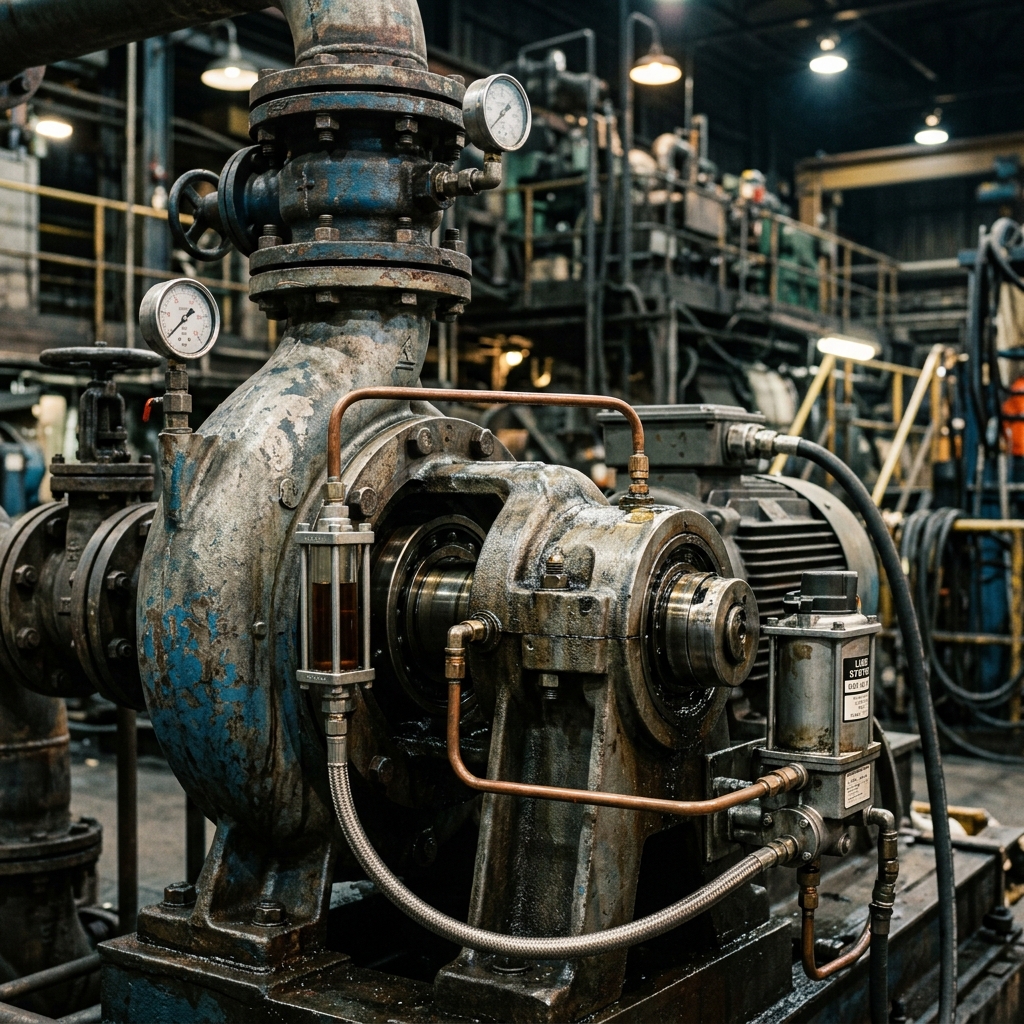
EcoWise uses advanced IoT sensors to monitor vibration, motor health, and fluid levels in your heaviest equipment. We can inform the process of lubrication, understand the health of bearings, motors, water pumps, and chillers to catch mechanical failures before they stop your operations.
Elevate your Operations

Prevent Mechanical Failure
Identify wear-and-tear before it causes downtime, significantly reducing parts replacement and protecting your bottom line.

Optimize Maintenance
Shift from reactive to predictive maintenance, allowing your team to service machinery only when required.

Reduce Operational Costs
Keep heavy equipment running smoothly, reducing energy draw from over-working components and cutting emergency repair costs.
Features to Drive Performance
Explore EcoWise's key features, from accurate temperature and equipment monitoring to AI-driven fault insights. Each is tailored to improve operations and cut costs for your business.
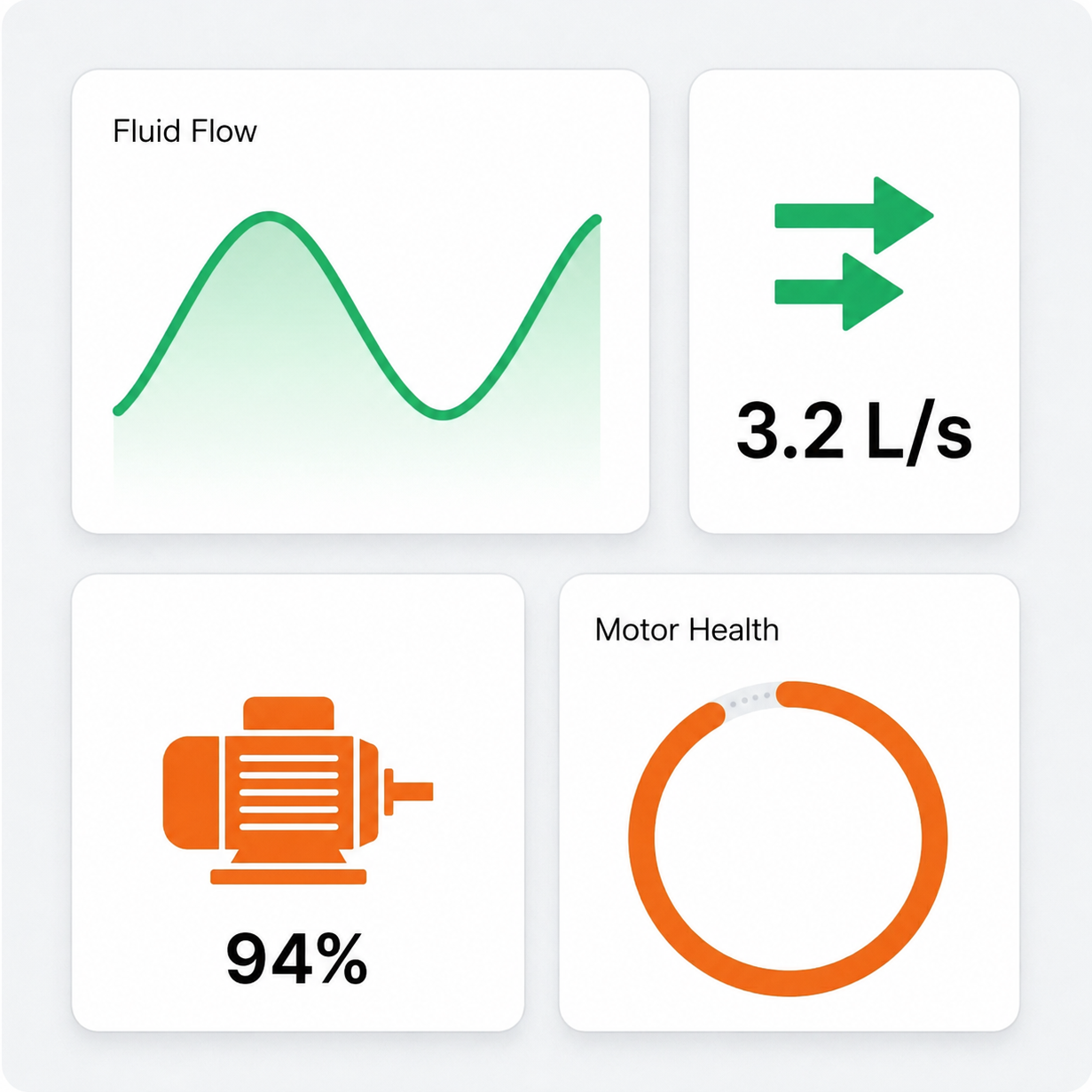
Monitor vibration, fluid flow, and motor health instantly
EcoWise ensures that your mission-critical machinery is always operating at peak condition. With real-time monitoring and analytics, catch anomalies before they escalate.
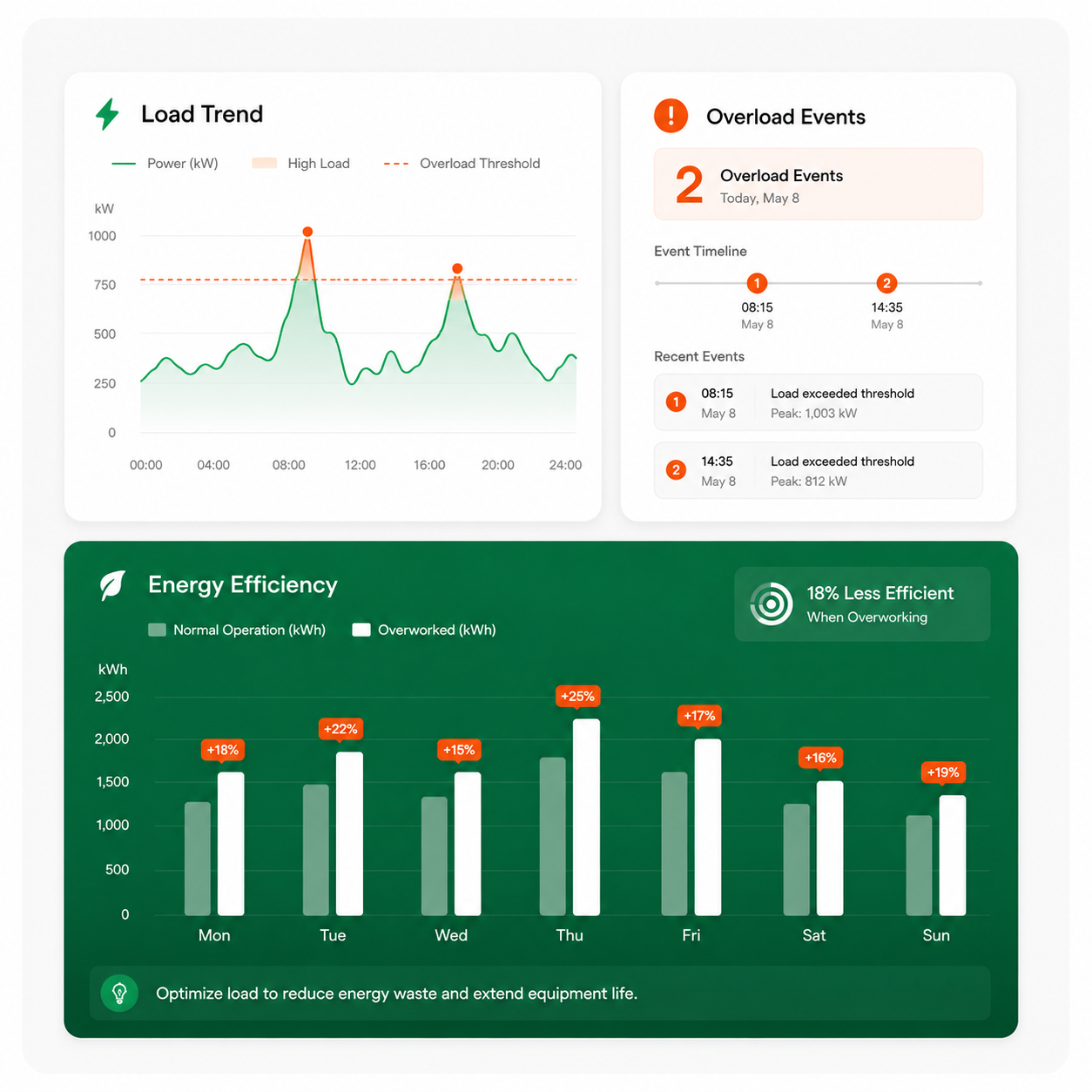
Understand when your machinery is overworking
Discover precisely how your heavy equipment draws power. Our analytics help identify failing pumps or motors that are needlessly burning electricity.
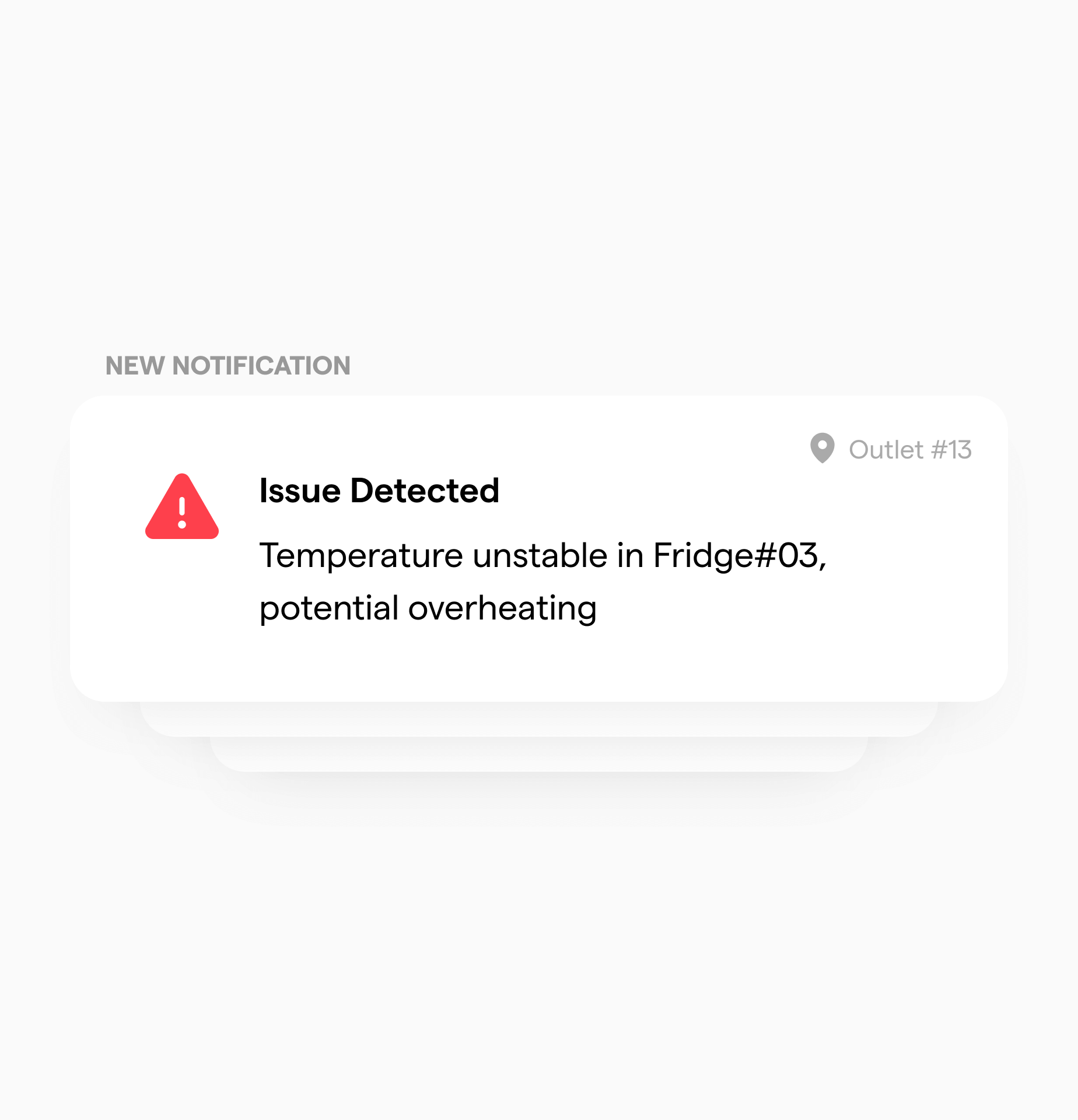
Avoid catastrophic breakdowns with AI-driven foresight
EcoWise identifies the root cause of mechanical deviations and instantly alerts your operations team with actionable insights, extending your equipment's lifecycle.
FAQs
Condition monitoring is the measurement: readings taken continuously from equipment while it is running. Predictive maintenance is what you do with those readings, using the trend to schedule a repair before the failure rather than after it.
Condition monitoring without prediction is just a lot of data. Prediction without monitoring is guesswork. EcoWise does both: it reads the electrical signature of the motor, and the analysis tells you which changes in that signature mean a part is on its way out.
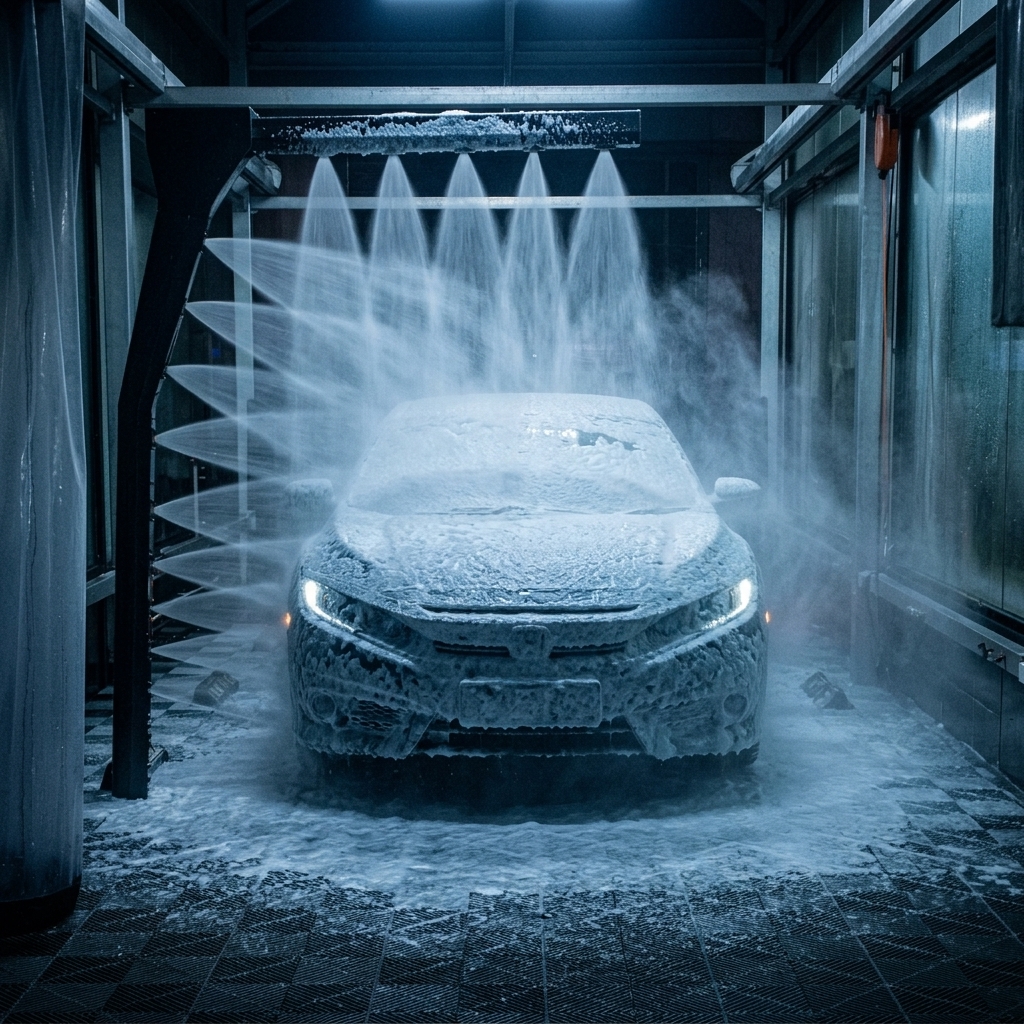
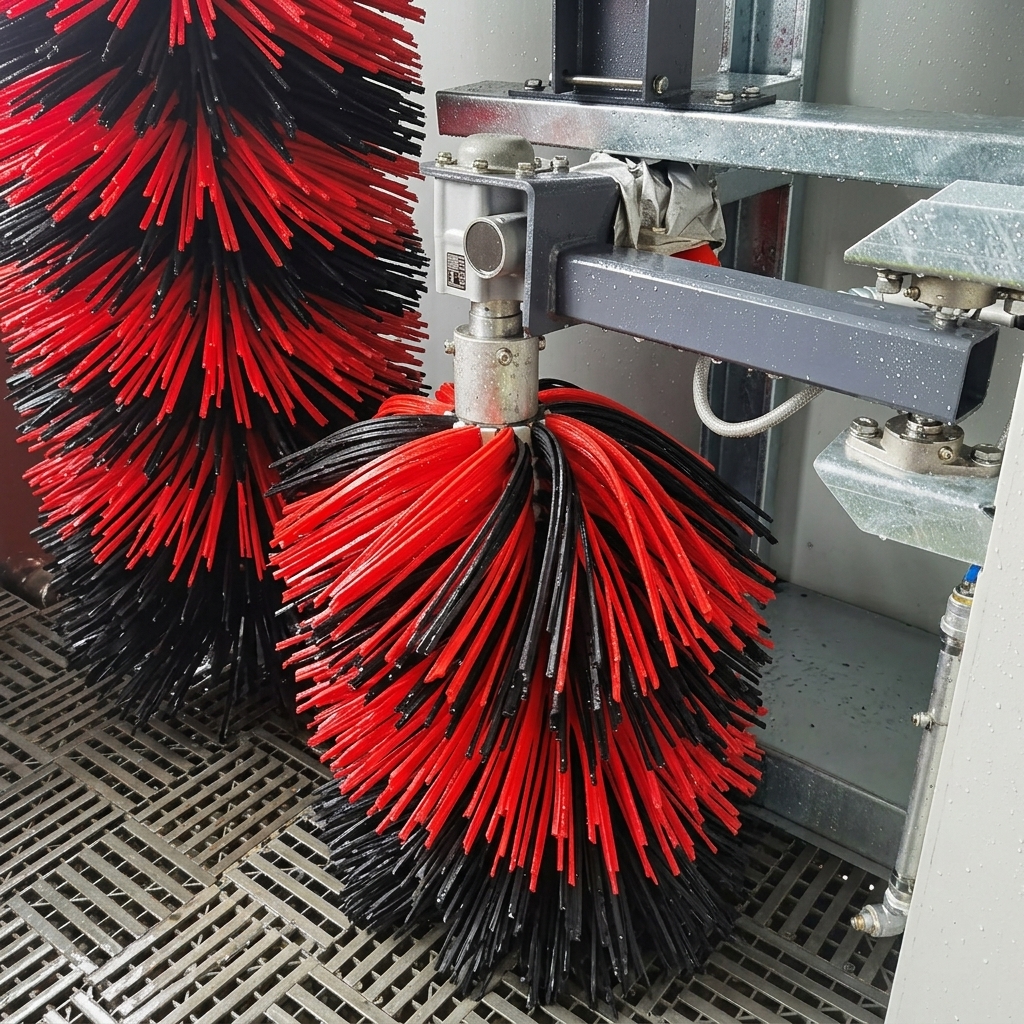
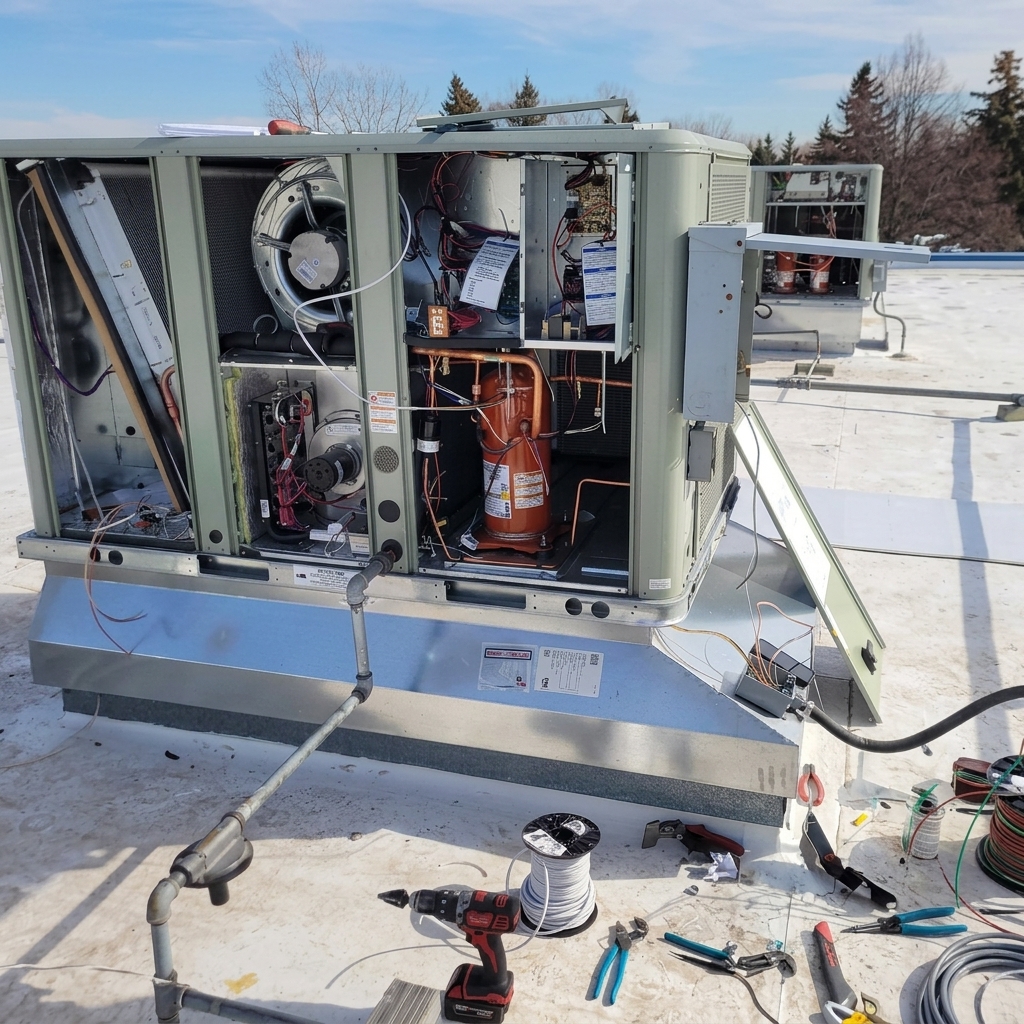
Single and three-phase motors from 0.5 kW up to 100 kW, across both US 480 V and Canadian 600 V service. In practice that covers car wash water pumps, cooling tower fans and pumps, compressors, and process motors on a production floor.
Hardware and installation pricing varies with motor size and how the site is wired, so a quote depends on the panel as much as on the motor.
A change in vibration comes first, well before anything is audible. Then noise: a rumble or a whine that changes with speed. Then heat at the bearing housing. Then visible play. By the audible stage a bearing is often weeks or less from failure, and by the heat stage, days.
EcoWise reads the motor's electrical signature rather than its vibration. A degrading bearing increases mechanical drag, and that shows up as a change in current draw and load pattern. It is not quite as early as a vibration analyst with a handheld probe, but it is continuous rather than quarterly, it needs nothing mounted on the machine, and it is far earlier than anyone notices by walking past.
Cavitation and dry running are the usual mechanical culprits, followed by bearing and seal wear, misalignment, and running the pump outside its design curve.
Nearly all of them change how hard the motor is working before they stop the pump, which is why EcoWise watches current and power rather than waiting for a failure. Cavitation and dry running are the clearest of the group, and both change the load signature almost immediately.
Two options: on the motor itself, or at the electrical panel. The panel option is the one worth knowing about, because a single monitoring point there can cover several pieces of equipment at once rather than needing one sensor per machine.
Renergy installs through licensed partners, so you are not fitting anything yourself and the work is done to local electrical code.
It saves money when unplanned downtime is expensive and the equipment fails gradually rather than instantly, which covers most pumps, motors and compressors. It does not pay for itself on cheap equipment that is quick to swap.
The honest framing is that you are buying lead time. On a frozen smoothie co-packer's production floor, an unplanned stop costs roughly $2,500 an hour. In poultry processing the figure runs $5,000 to $10,000 an hour. Against numbers like those, catching a single failure early pays for the monitoring many times over.
Which is also the test for whether it is worth it on your equipment: work out what an hour of that machine being down costs you, and compare it to the monitoring. If the machine stops the line, the maths is not close.
About 45 to 60 minutes per piece of equipment. Current measurement is non-invasive, so it can be done with the machine running.
If you also want power monitoring we need to probe voltage, and depending on the voltage range and local safety rules that means a short shutdown, typically 5 to 10 minutes per unit. We schedule those together so a site is finished in one visit rather than several.
Boost Your Efficiency Today
Ready to transform how you manage your equipment? With Renergy's innovative IoT solutions, step into a world of enhanced efficiency, reduced costs, and smarter operations. Get in touch!
Explore More Products
Explore our range of products, each designed to offer specific solutions, from monitoring to maintenance, ensuring energy efficiency and operational excellence.
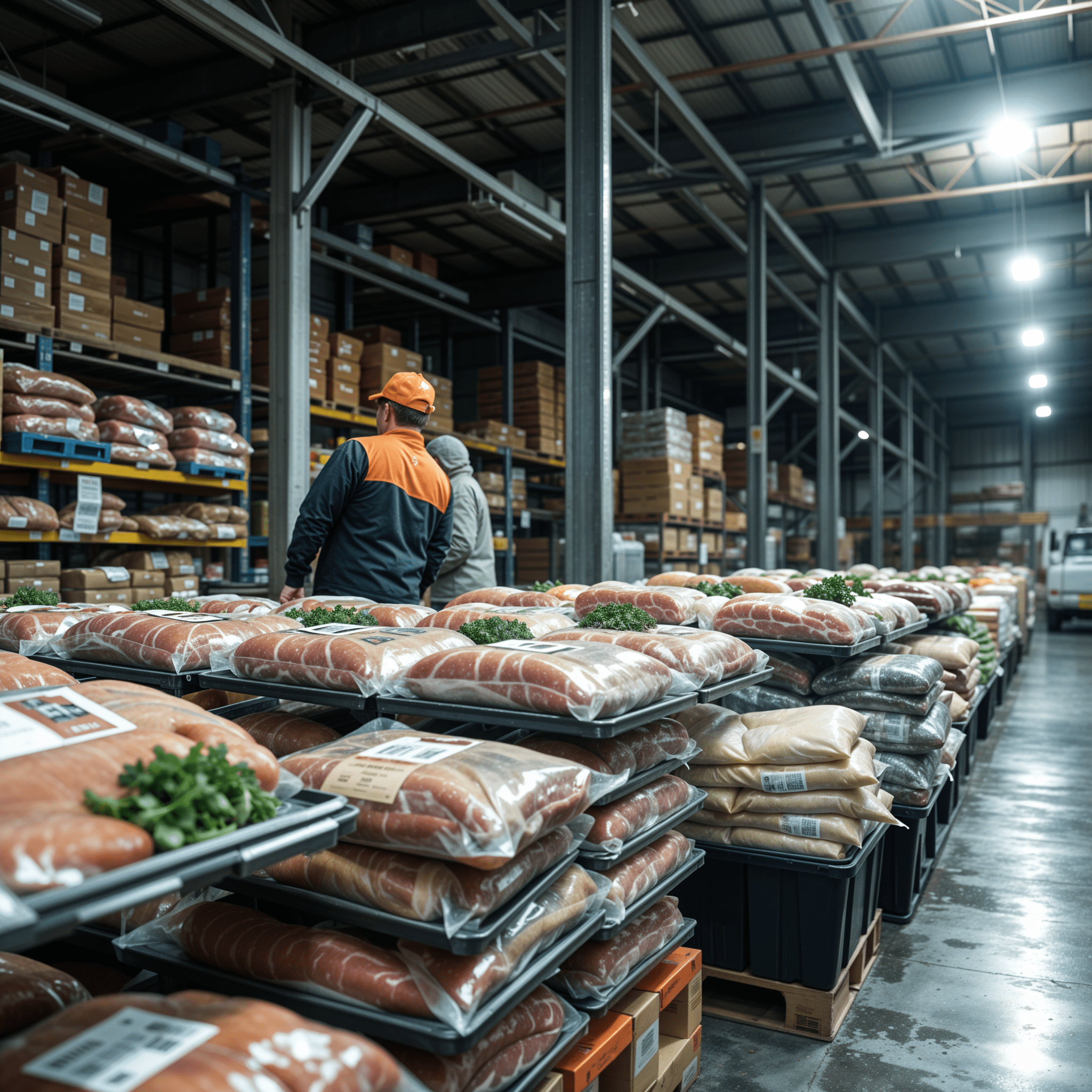
Walk-In Cooler & Freezer Monitoring
TemperatureWise is proactive AI for walk-in coolers, freezers and cold storage. It catches refrigeration faults at least 4-5 days before failure, names the root cause, and alerts you before you lose inventory.
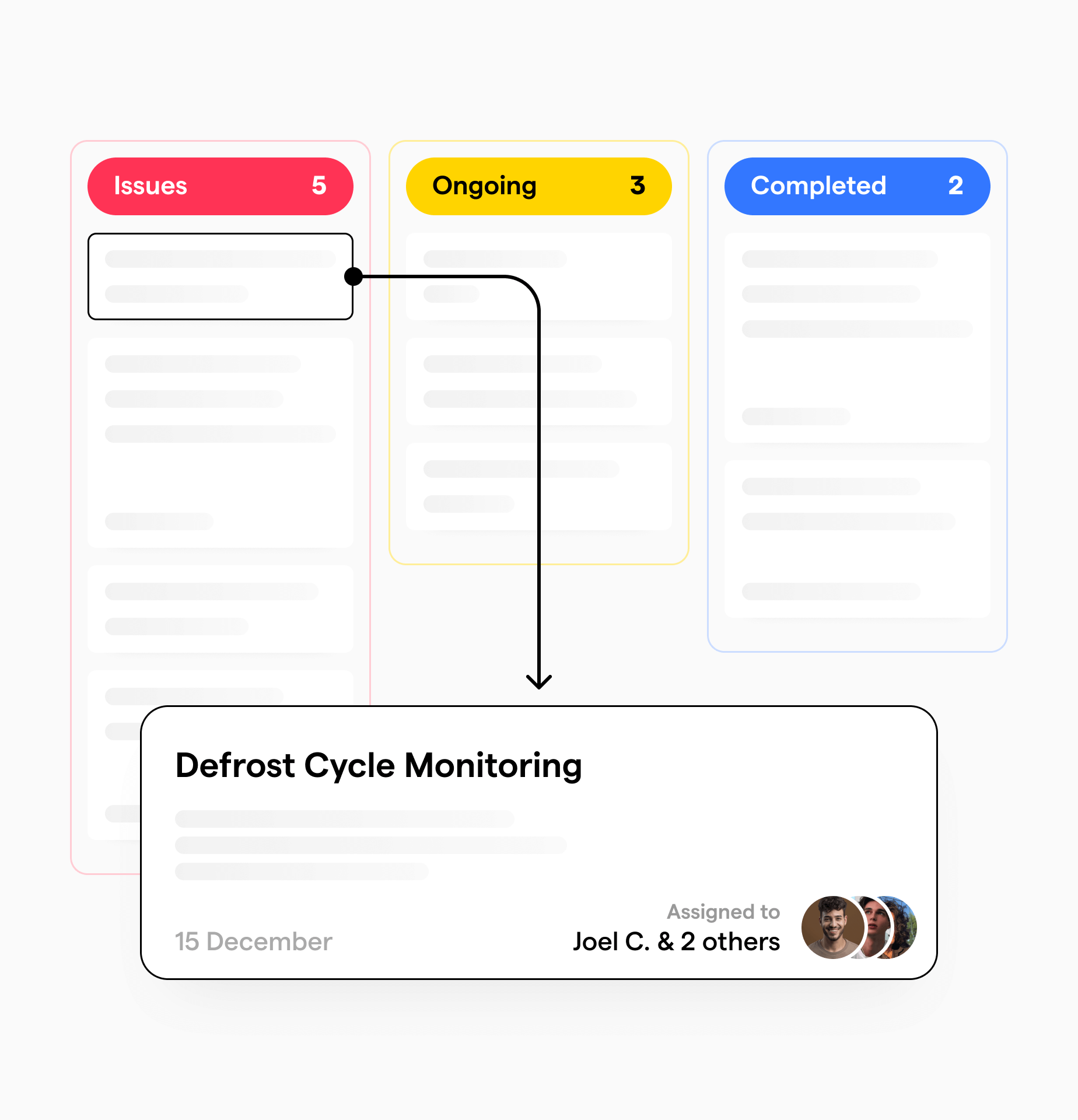
AI Maintenance Management
Streamline maintenance process by automatically generating work orders. Ensure prompt repairs, minimize downtime, and prolong equipment lifespan.