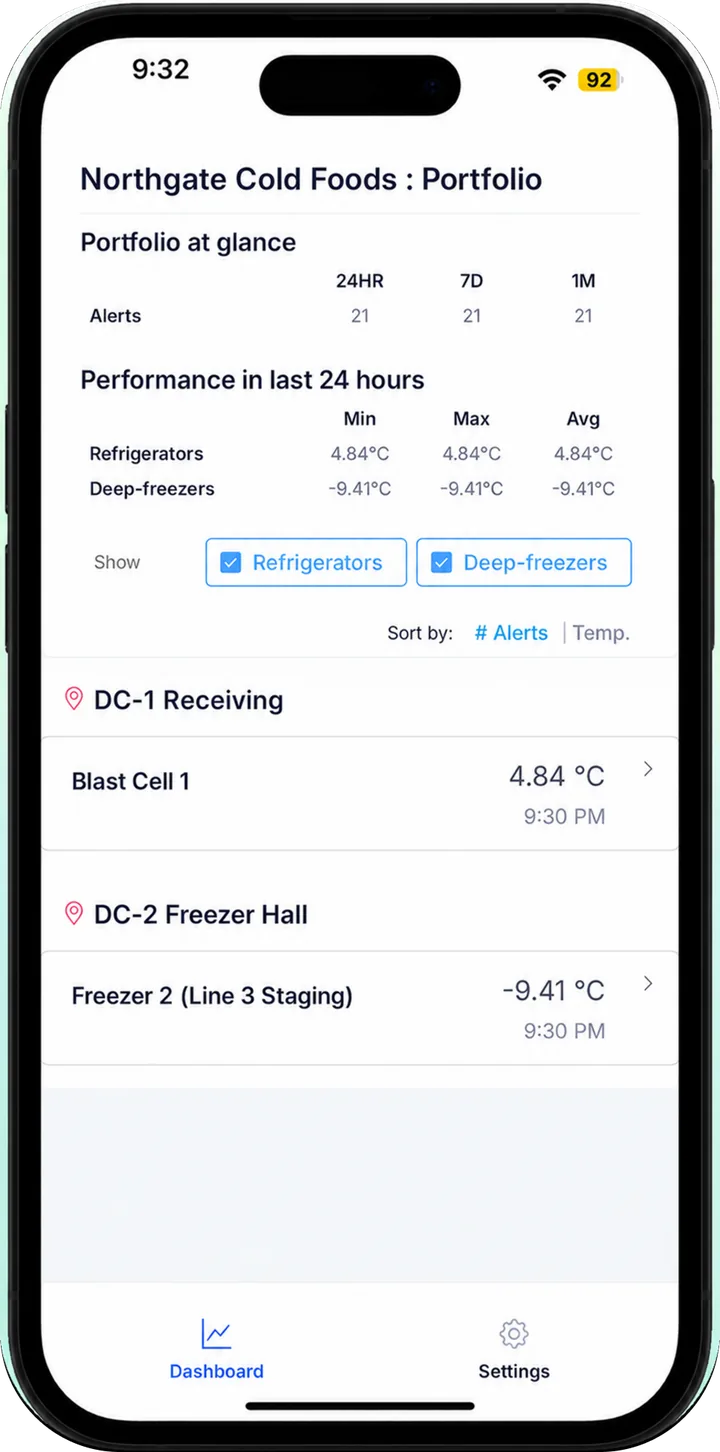
 Illustrative data
Parked or on the road, one screen
Trailers in the yard report to the site gateway. On the road, a cellular gateway rides in the truck, so the readings keep coming between stops.

TemperatureWise for reefer trailers
Know when a reefer stops cooling, while the load is still safe. In Mississauga, TemperatureWise flagged a stopped reefer holding up to $125,000 of stock. The team got there before the safety line.
What you get
Illustrative dataTrailers in the yard report to the site gateway. On the road, a cellular gateway rides in the truck, so the readings keep coming between stops.
 Illustrative data
Normal cycling stops and the line starts to climb. TemperatureWise watches how fast it is climbing, not just where it is, so the alert can come hours before a threshold.
Why the slope beats a threshold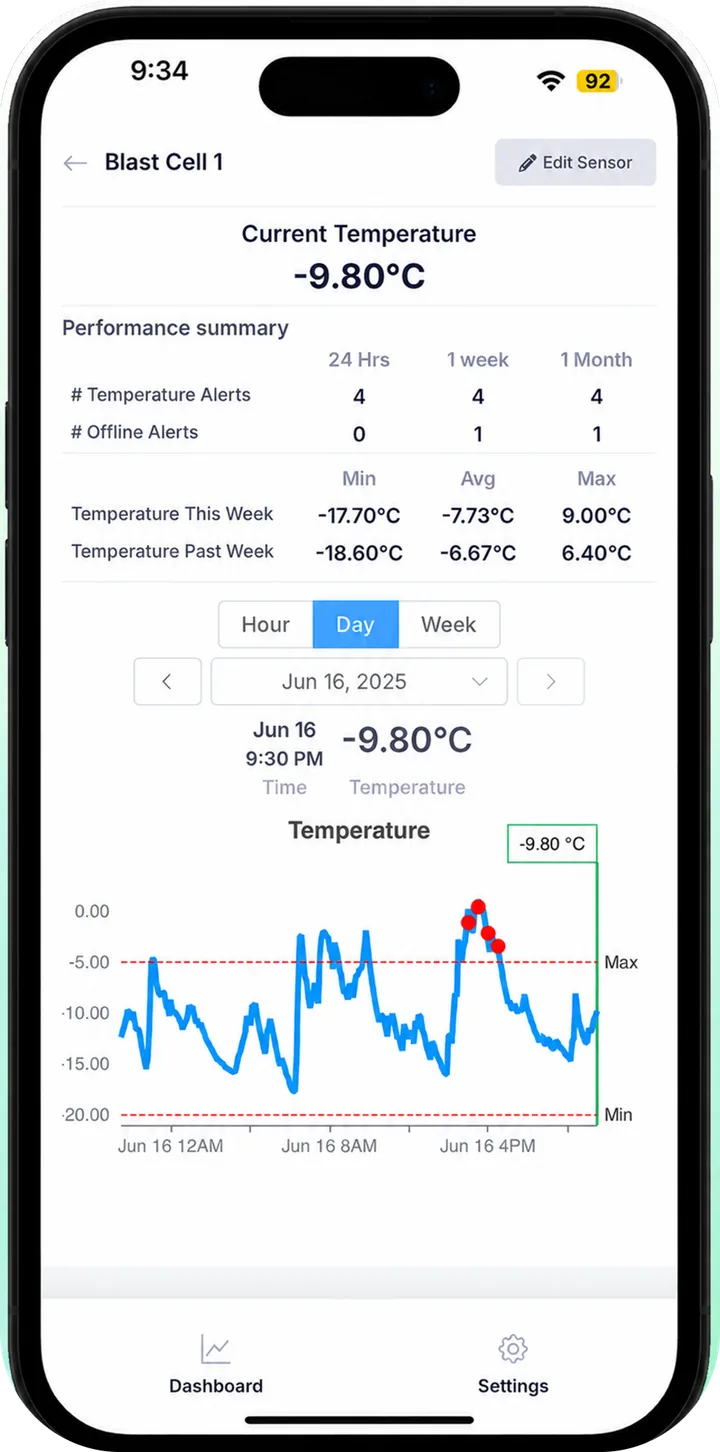 Illustrative data
Under the US transport rule, a shipper or receiver can ask the carrier to show the temperature was held. TemperatureWise keeps every reading, every 15 minutes.
 Illustrative data
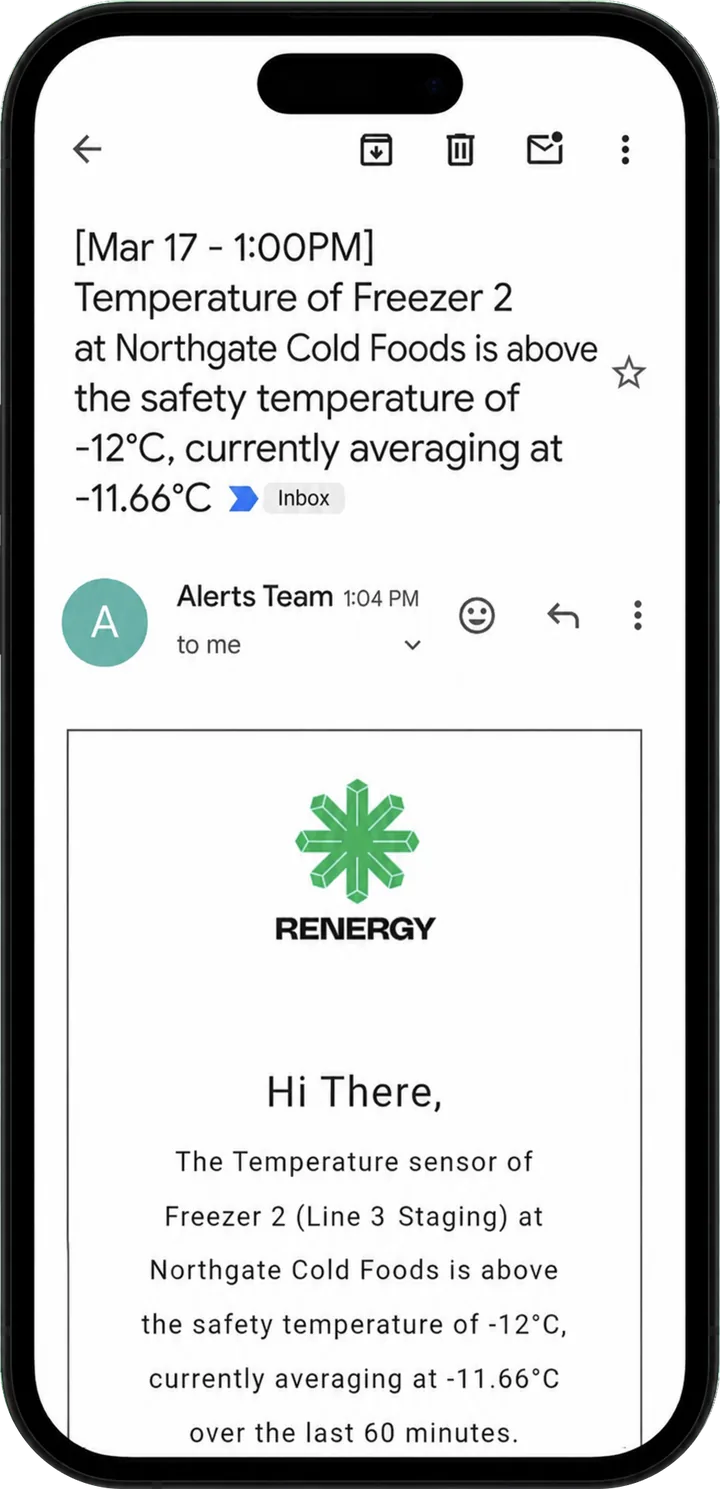
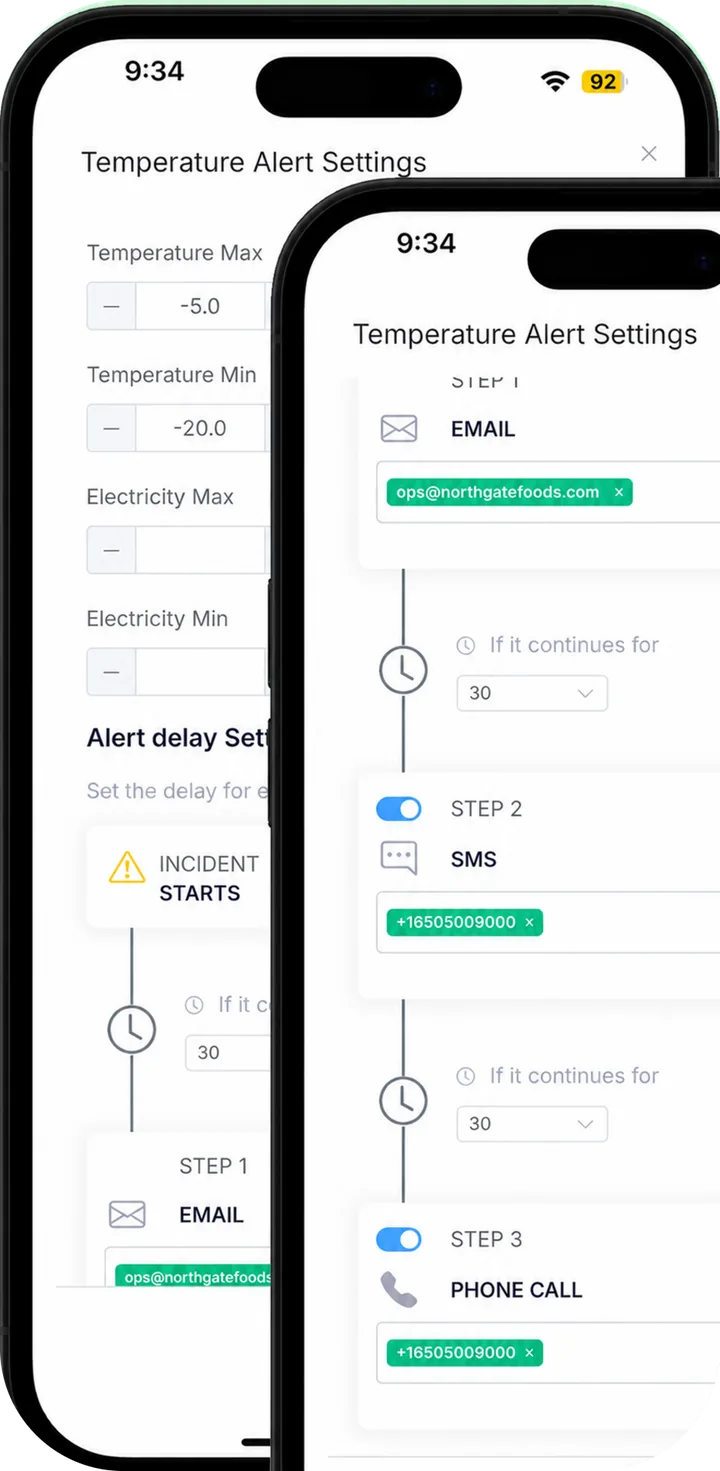
Email first, then a text, then a phone call. A holiday no-start reaches a person, not an empty yard.
Where it goes wrong
One is from our own failure data. Four follow from how reefers work, and each says what the log shows.
Flagged 4 hours after it stopped in Mississauga, December 2025, and reached before the safety line
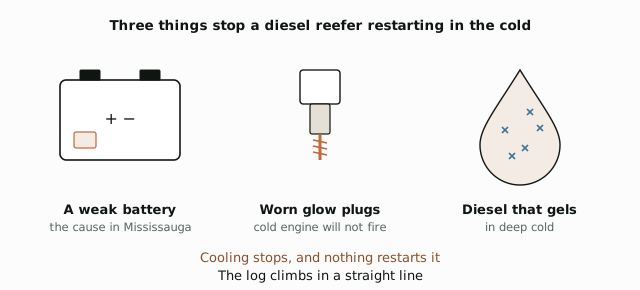
On an automatic stop-start cycle, the engine shuts off when the box is cold and restarts when it warms. A weak battery, worn glow plugs or diesel that gels in deep cold can stop the restart, and cooling just stops.
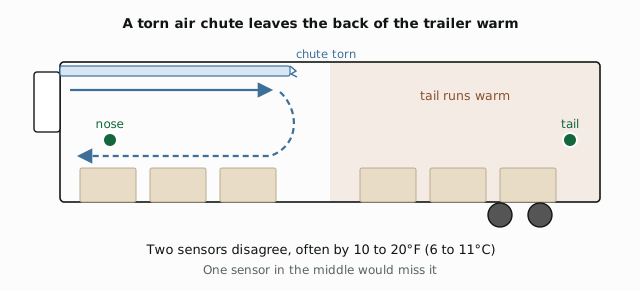
Cold air leaves the unit along a fabric chute on the ceiling and returns along the floor. A torn chute or a missing bulkhead lets the air fall short, so the nose stays cold and the tail runs warm.
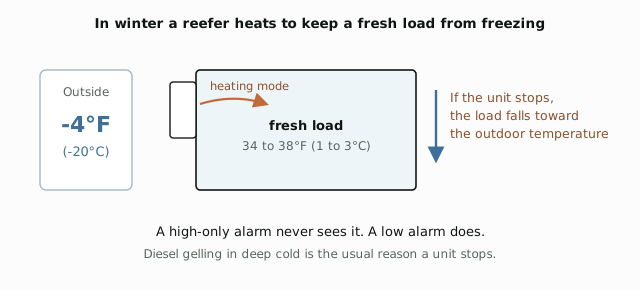
Below freezing outside, a reefer carrying fresh product runs in heating mode to keep the load from freezing. If the unit stops, the load does not warm up. It falls toward the outdoor temperature.
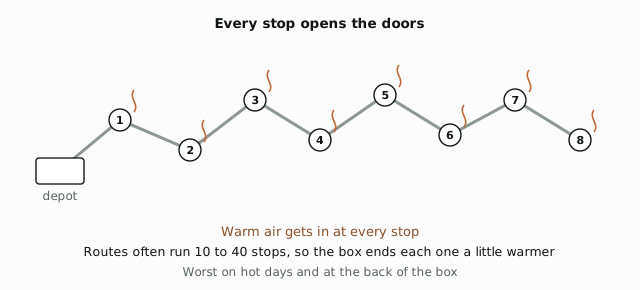
A delivery route can run 10 to 40 stops, and every one lets warm air in. A box that recovers between stops is fine. One that ends each stop a little warmer is running out of margin.
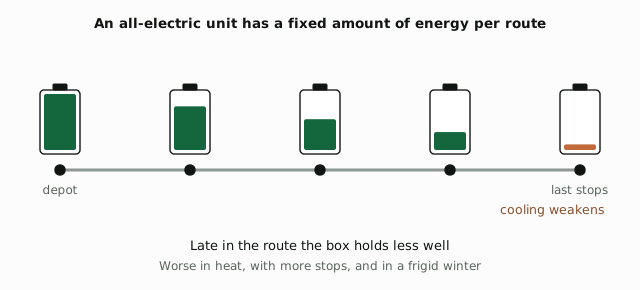
A battery-electric unit has a fixed amount of energy per route. Heat, extra stops and a frigid winter all use it up faster, so the box holds less well near the end.
A real failure, real numbers
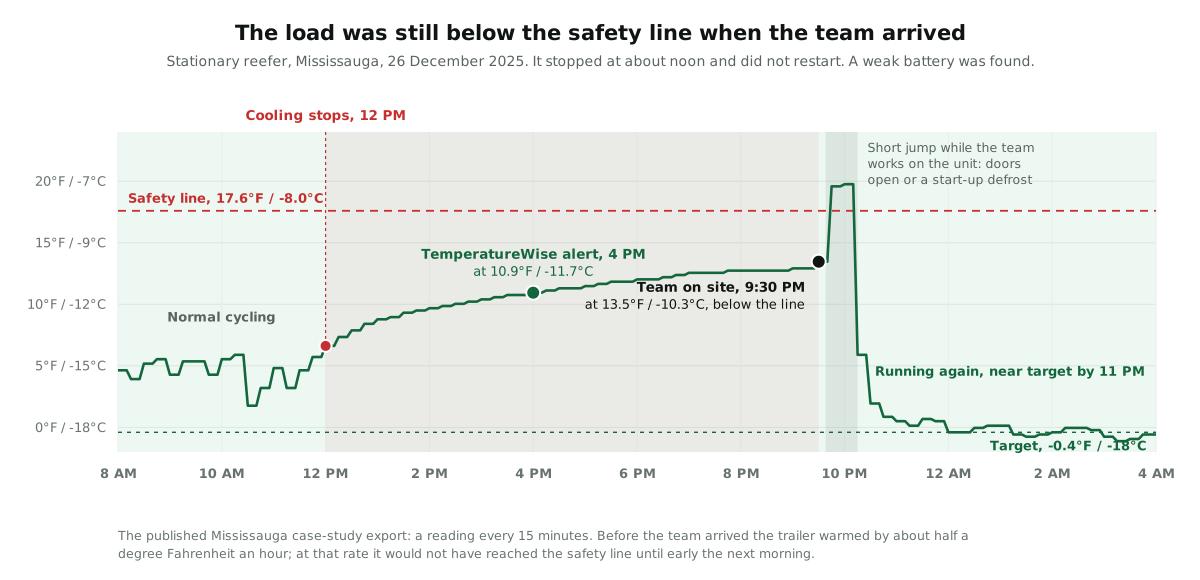
The alert gave the team hours to act while nobody was on site. They reached the trailer with the load still below the safety line. The full story and the exported readings are in the Mississauga case study.
Pricing and payback
| Item | Once | Per year |
|---|---|---|
| 2 LoRa sensors at $200 | $400 | |
| Gateway that rides in the truck | $250 | |
| Cellular connection | $125 | $50 |
| Monitoring, 2 sensors at $250 | $500 | |
| Total | $775 | $550 |
Two sensors catch a nose-to-tail split that one would miss. A trailer that only parks at a site with a gateway needs no gateway of its own. Price list of 1 September 2026.
The Mississauga reefer held up to $125,000 of frozen stock. The yearly fee for one trailer is $550.
Multiple = the stock in the trailer ÷ the $550 yearly fee. The one-time $775 is left out, as on the TemperatureWise calculator. The stock value is the case study's upper estimate.
Want a detailed calculation for your own site? The full calculator on the TemperatureWise page takes your rooms, sensors and connection.
Open the full calculatorHow it works
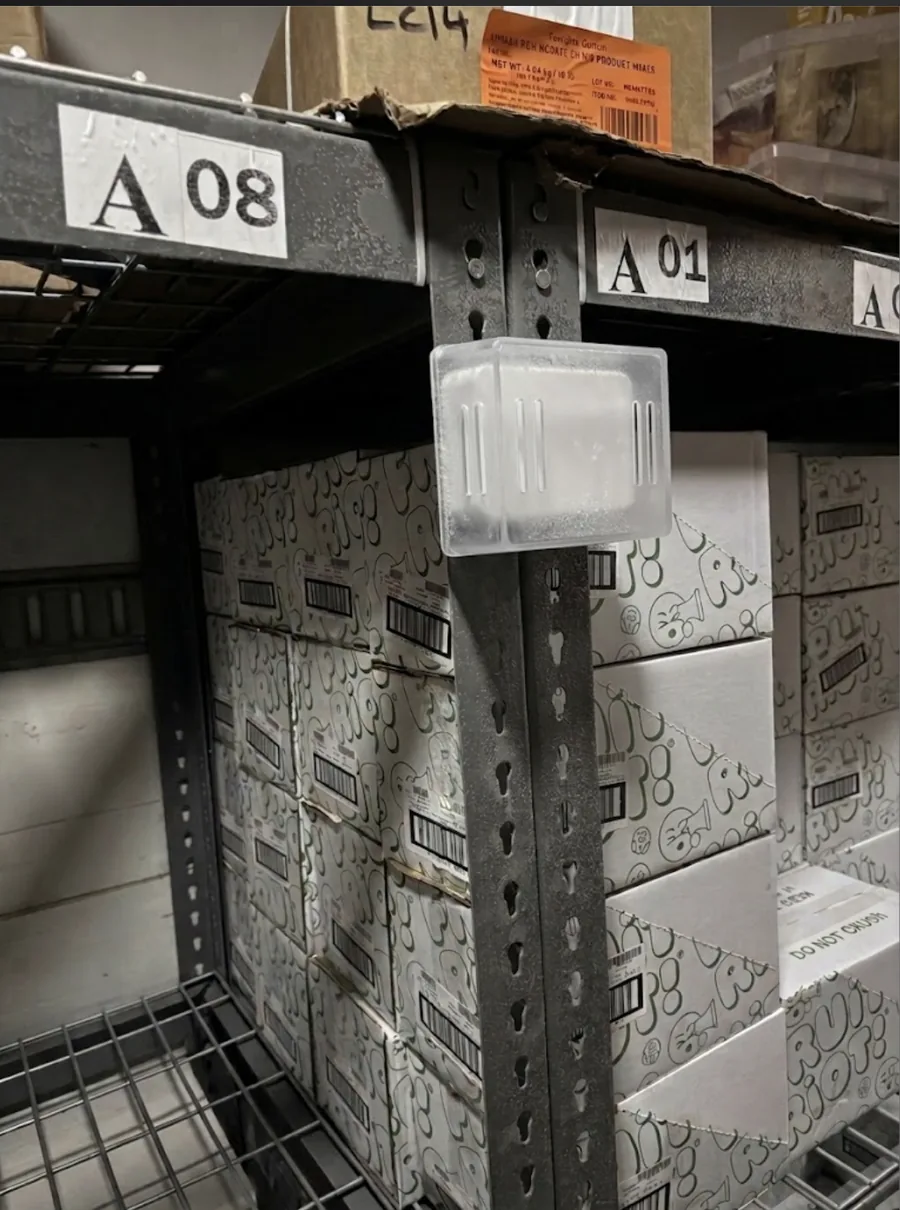
TemperatureWise marks where each sensor goes in the trailer and where the gateways sit.
Sensors go at the nose and the tail of the load space. The gateway rides in the truck, or sits at the yard for parked trailers.
TemperatureWise learns each unit's normal cycling and defrosts, so a normal defrost is not an alarm.
The rules
US · 21 CFR 1.908(e)
If the shipper or receiver asks, the carrier shows it held the temperature the shipper set. The carrier also pre-cools the trailer as the shipper specifies.
Read 21 CFR 1.908Canada · SFCR s. 72
A vehicle carrying food to or from a licensed establishment holds a temperature suited to the food, with instruments that record it where needed.
Read the Safe Food for Canadians RegulationsTemperatureWise produces the record from the trailer. The shipper's specification and the sign-off stay with you.
Every 15 minutes, if TemperatureWise is doing the checking: that is 96 readings a day, in the yard or on the road. By hand, a parked reefer can go unchecked over a holiday, which is when the Mississauga unit stopped.
Yes. A cellular gateway rides in the truck and sends the readings out as the trailer moves, so alerts reach you between stops. Trailers that only park can report to a gateway at the yard instead.
Two: one at the nose and one at the tail. A torn air chute or a missing bulkhead can leave the tail 10 to 20°F (6 to 11°C) warmer than the nose, and a single sensor in the middle would miss it.
About $775 up front and $550 a year for one trailer with two TemperatureWise sensors and a cellular gateway in the truck. Monitoring is $250 per sensor per year, and the cellular connection adds $50 a year.
No. TemperatureWise does not read the unit's controller, its alarm codes or its fuel level. It measures the load space on its own sensors, which is why it keeps reporting when the unit itself has stopped.
Proof
Send us 30 days of readings from one room, or let us put a sensor in it. We will show you what it was doing before anyone noticed. No purchase needed.