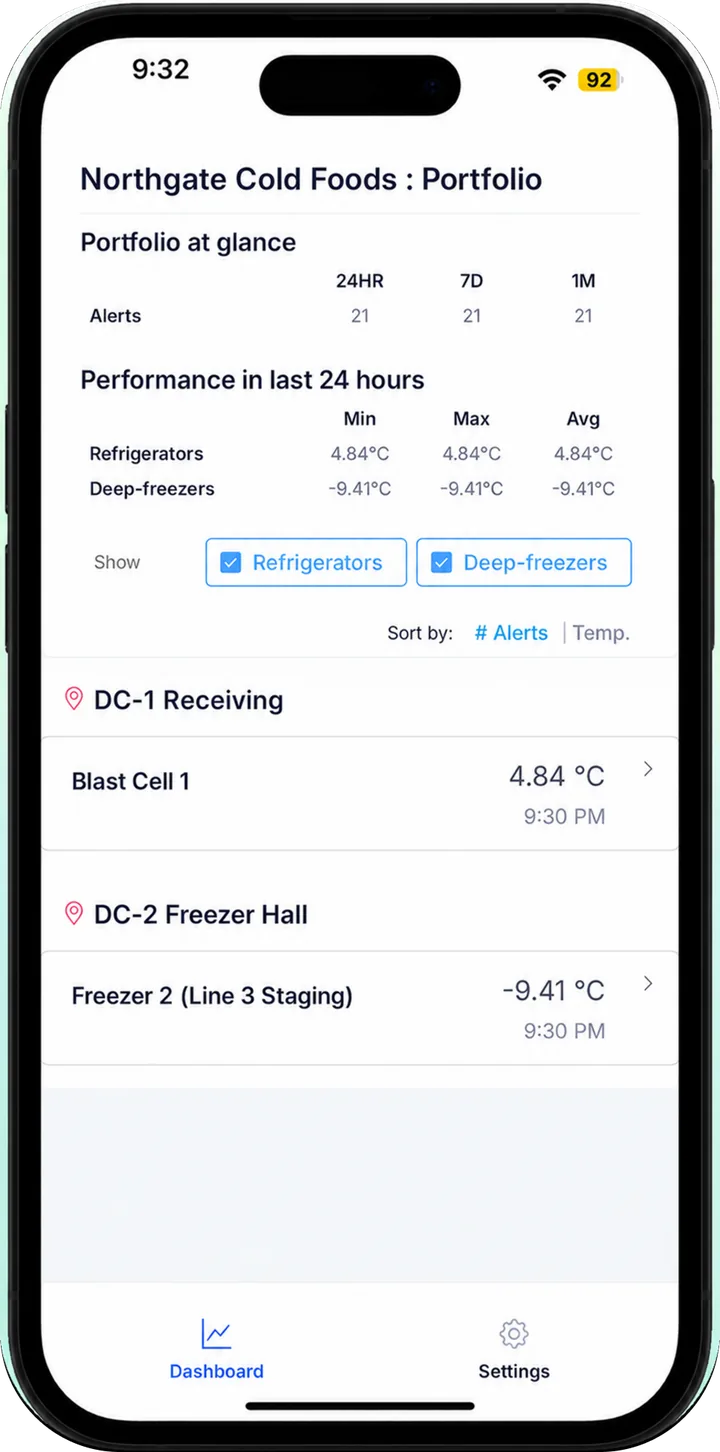
 Illustrative data
Every school in the district on one screen
A nutrition director sees every kitchen's walk-ins, reach-ins and milk coolers in one place. Each alert names the school and the unit.

TemperatureWise for K-12 school nutrition
Know on Friday night, not Monday morning. A school freezer that fails after the last lunch on Friday can sit for 60 hours before anyone opens the door. TemperatureWise reads it every 15 minutes, all weekend.
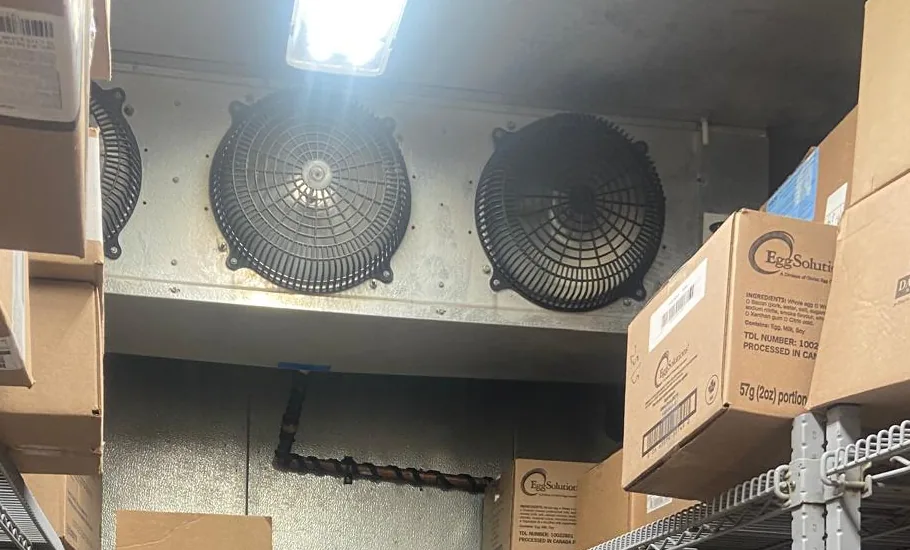
What you get
Illustrative dataA nutrition director sees every kitchen's walk-ins, reach-ins and milk coolers in one place. Each alert names the school and the unit.
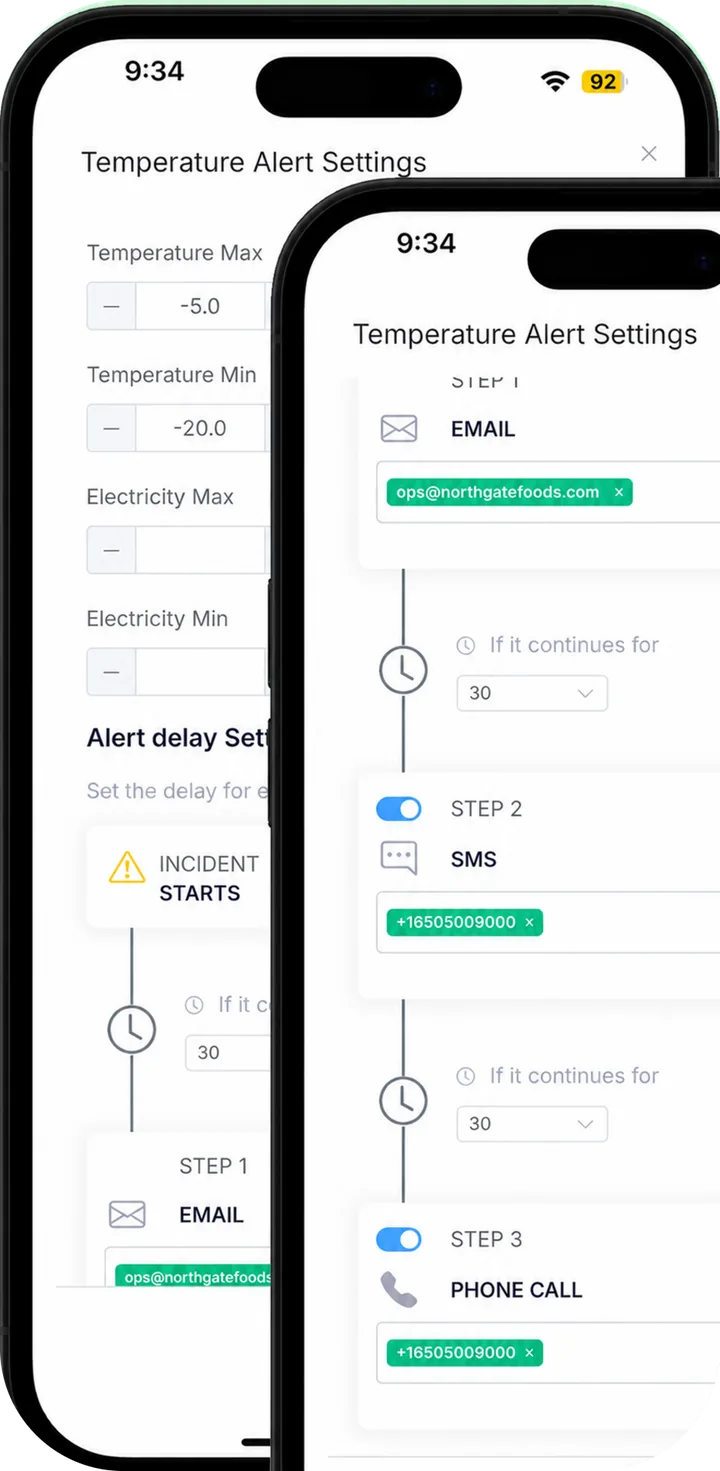 Illustrative data
Email first, then a text, then a phone call, to the people you name, in order. A Saturday fault reaches a person instead of an empty building.
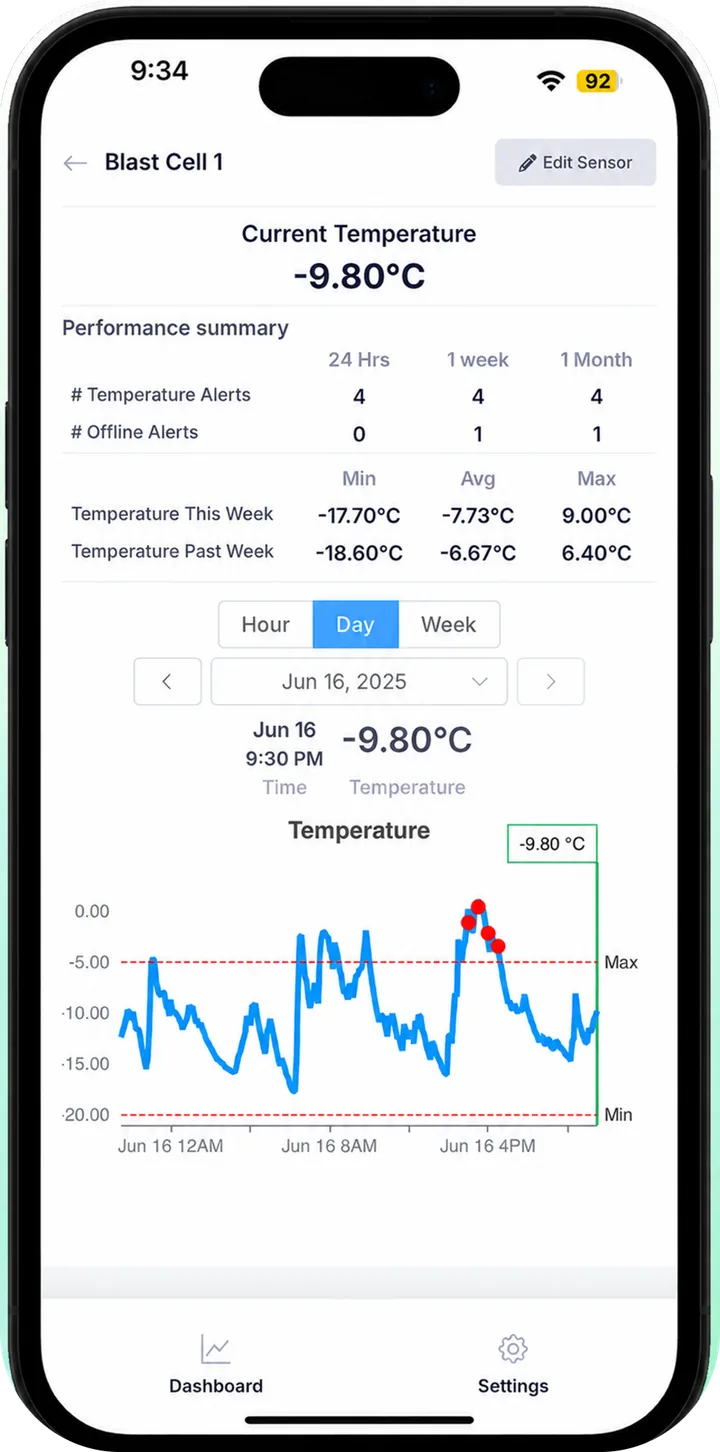 Illustrative data
A reading every 15 minutes, kept indefinitely, including nights, weekends and breaks. It is there for a state review or a health inspection.
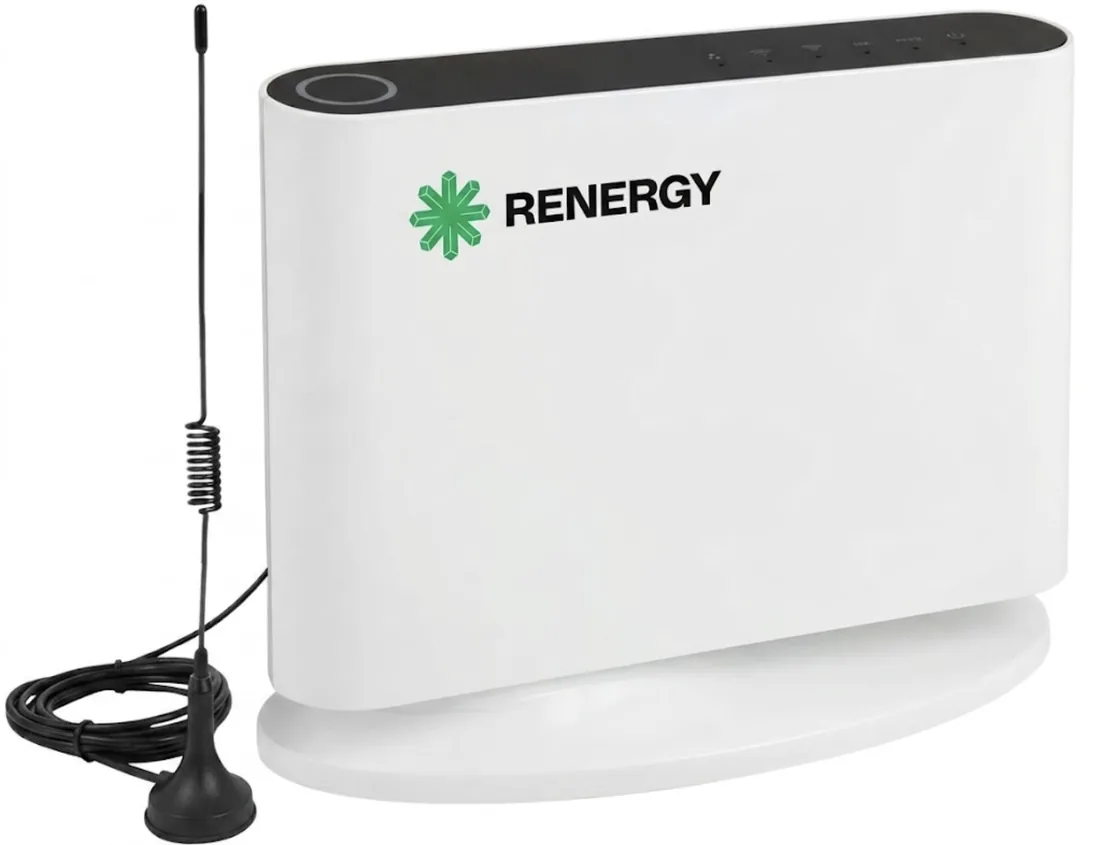
LoRa radio passes through walk-in panels, so the gateway can sit in the kitchen office. With cellular, it does not touch the district network at all.
How one gateway covers a multi-room siteWhere it goes wrong
Each follows from how a school kitchen runs: busy for six or seven hours, then empty for evenings, weekends and breaks.
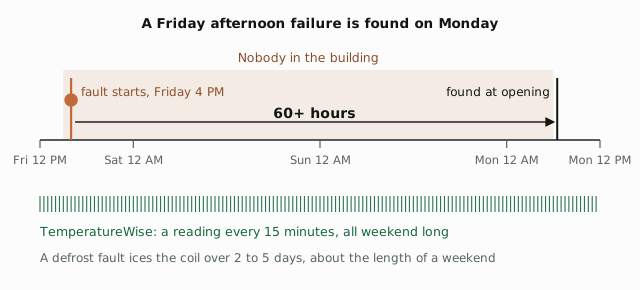
A defrost fault ices the coil, and each day ends a little warmer. That takes 2 to 5 days, about the length of a weekend, and nobody is in the building to see it.
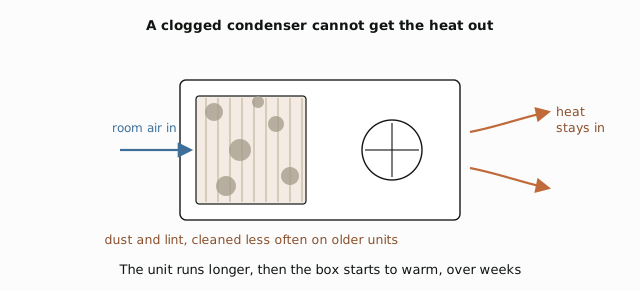
School equipment tends to be older, because it is replaced on capital budget cycles. A condenser clogged with dust has to work harder each week, and the box holds, then slowly stops holding.
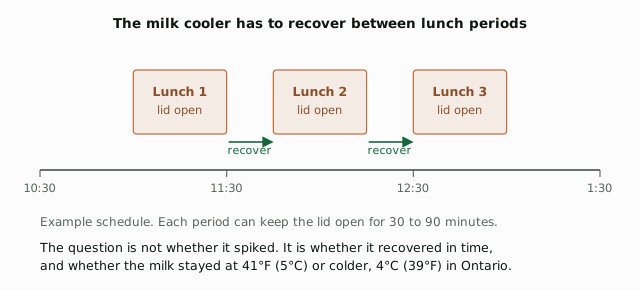
The lid stays open through each lunch period while hundreds of hands reach in. A healthy cooler recovers before the next period. A weak one never quite catches up.
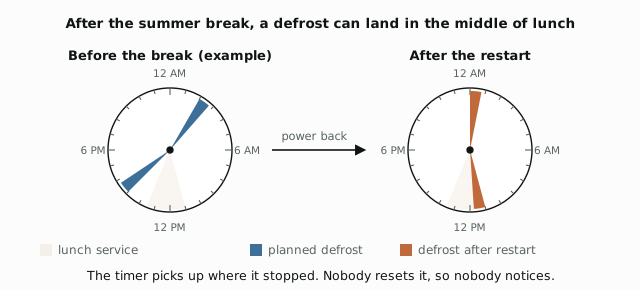
Equipment switched off for the summer comes back with its defrost clock out of step with the day. A defrost can then land in the middle of lunch, and nobody knows to reset it.
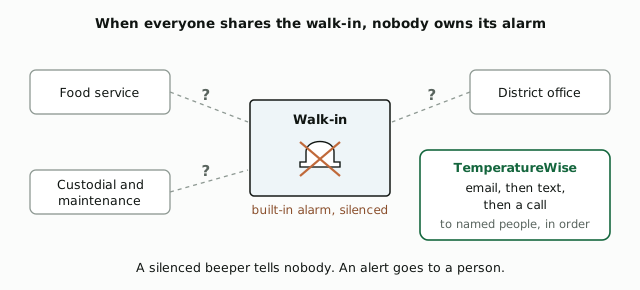
Food service runs the kitchen, custodial or maintenance staff run the building, and the built-in alarm belongs to neither. It gets silenced, and a silenced beeper tells nobody.
Pricing and payback
| Item | Once | Per year |
|---|---|---|
| 7 LoRa sensors at $200 | $1,400 | |
| Gateway for a mid-sized site | $250 | |
| Cellular connection | $125 | $50 |
| Monitoring, 7 sensors at $250 | $1,750 | |
| Total | $1,775 | $1,800 |
Two sensors in each walk-in, one in each reach-in and the milk cooler. Cellular keeps it off the district network. No extra charge for the dashboard, alerts, reporting or setup. Price list of 1 September 2026.
That is the whole test. The yearly fee for one school is $1,800, about $21 a sensor a month.
A walk-in freezer stocked for the week is usually worth more than that on its own. The record also stands in for the handwritten readings staff take each school day.
Want a detailed calculation for your own site? The full calculator on the TemperatureWise page takes your rooms, sensors and connection.
Open the full calculatorHow it works
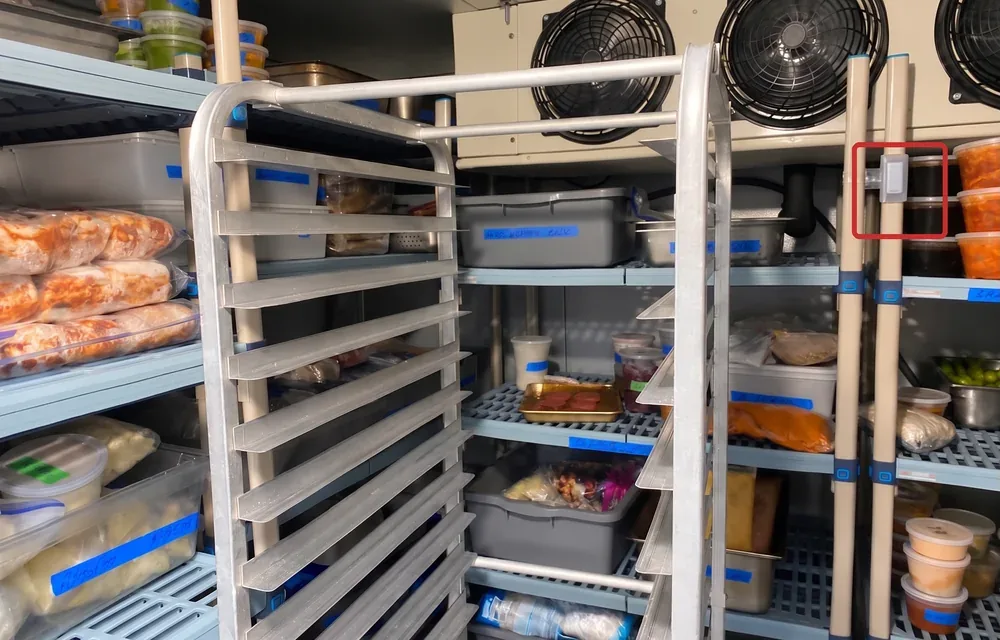
TemperatureWise marks where each sensor and the gateway go before anything ships.
Magnet, adhesive pad or one screw. The gateway goes into an ordinary socket.
TemperatureWise learns each unit's defrost pattern and sets alerts around it, so a normal defrost is not an alarm.
The rules
US · 7 CFR 210.13
Every school food authority keeps a written food safety program covering anywhere food is stored, prepared or served. Each school gets at least two food safety inspections a school year.
Read 7 CFR 210.13USDA · the 2009 HACCP rule
USDA's final rule bases that program on HACCP principles, which include monitoring, corrective action and record keeping.
Read the USDA final ruleMissouri · one state's log list
Missouri lists refrigerator and freezer temperature logs as daily, and asks for records from the 3 prior years to be kept.
Read Missouri's listOther states publish their own lists. Canadian school food programs are set by each province. TemperatureWise produces the record; the review and sign-off stay with your program.
With a sensor in each walk-in that reports every 15 minutes and alerts named people when something goes wrong. TemperatureWise keeps reporting through weekends and summer breaks, when nobody is in the building.
About $1,775 up front and $1,800 a year for one school kitchen with seven TemperatureWise sensors and cellular. Ten kitchens like it come to about $17,750 up front and $18,000 a year.
No. Each school's gateway can send its readings over cellular, so nothing touches the district network. If the district prefers, the gateway can use a wired or Wi-Fi connection instead, at no extra charge.
Partly. It replaces the handwritten reading with a recorded one, but not the program. Your state decides what counts as a log and who signs it, so check with your state agency before retiring a paper form.
No. TemperatureWise is for food: walk-ins, reach-ins, milk coolers and freezers. Classroom comfort is a heating and cooling question, which Renergy covers with ACWise.
Proof
Send us 30 days of readings from one room, or let us put a sensor in it. We will show you what it was doing before anyone noticed. No purchase needed.