
Where to place a sensor in a walk-in, and where not to
By Vimal Bhaya, Founder and Lead Systems Architect · Last reviewed 7 September 2026
This is a continuation of The physical reality, a 6-part tutorial. You are on part 5 of 6.
On a shelf among the stock, at the height the product actually sits, at the end of the box furthest from the coil. Not in the evaporator's discharge air, not on the ceiling, and not in the doorway.
The rule underneath that is simple. Measure the warmest place your product actually sits. Anywhere colder than that is a number that flatters the box, and the box is not what you are protecting.
If you can have two sensors, put the second one in the return air at the coil. The first one watches the food. The second one watches the equipment, and the two disagreeing with each other tells you something neither one can say alone.
A walk-in is not one temperature
The number on the controller is one reading from one place. The room is not that number everywhere, and it is not close.
Cold air is heavier than warm air, so it falls. The evaporator throws the coldest air in the room out across the ceiling, it travels the length of the box, and it sinks as it goes. The air coming back to the coil is the warmest air in the circuit, which is exactly why the coil is placed to catch it.
The word for that layering is stratification, and in a loaded walk-in with the door opening all day it is not subtle. The bottom of a full box, behind a pallet, does not have the same air as the space under the coil.
So "where do I put the sensor" is not a tidiness question. It decides what the number on your phone is about.
The five places it usually ends up
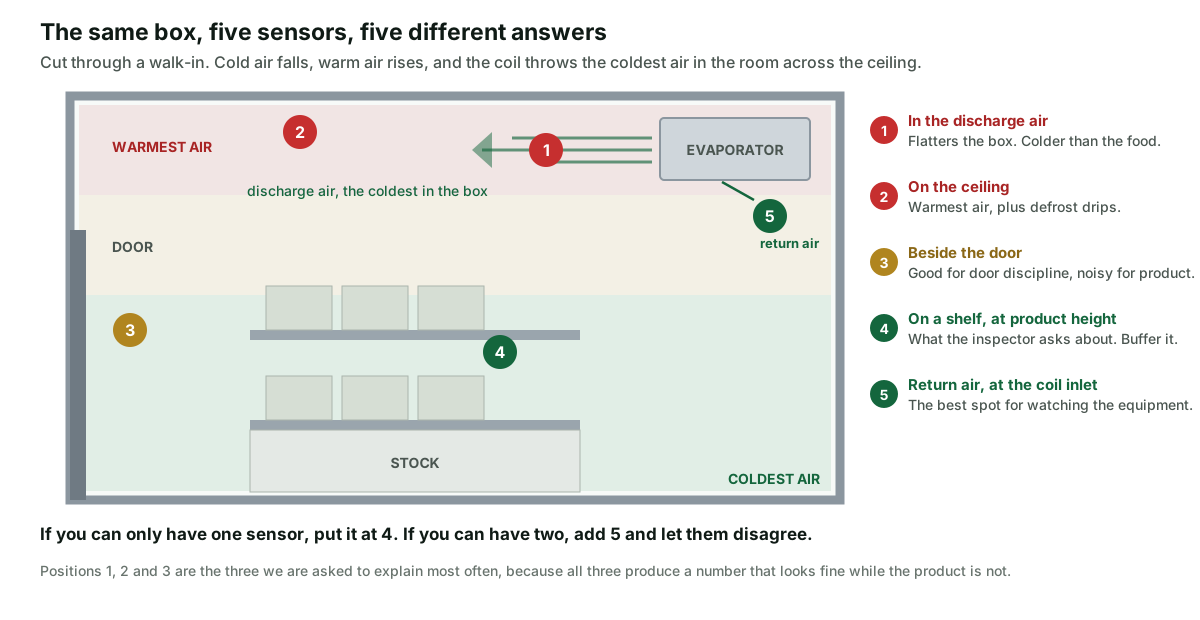
| Where it ends up | What it is measuring | What it is good for | Why it goes wrong |
|---|---|---|---|
| 1. In the evaporator discharge | The coldest air in the room | Confirming the coil is producing cold air at all | Reads several degrees below the product and flatters the box. The most common mistake we are asked to explain |
| 2. On the ceiling | The warmest air layer, and defrost water | Very little | Not where the product is, and it gets dripped on every defrost cycle |
| 3. On the door frame | Every door opening, in full | Door discipline, and only that | The reading is dominated by traffic rather than by the refrigeration |
| 4. On a shelf, at product height | The air the food is actually sitting in | Product risk, alarms, and the compliance record | Nothing, provided it is not tucked behind a pallet where nobody can find it |
| 5. Return air, at the coil inlet | The average of everything the room did | Equipment health, defrost behaviour, whether the box is holding | It is an equipment reading, not a food reading. It should not be your only sensor |
Why the coil is the tempting mistake
Position 1 gets chosen constantly, and it is easy to see why. The coil is at head height, there is somewhere to mount to, the cable run is short, and the number that comes back looks excellent.
That last part is the trap. A sensor in the discharge air reports the coldest air in the room, so the box always looks like it is holding. It will keep looking like that while the far end of the box drifts.
It is also the worst place to be during a defrost. Four times a day, for up to about forty-five minutes, the freezer deliberately warms the coil to melt the frost off it. A sensor sitting in that airflow sees the largest swing in the room, on a schedule, forever. That is one of the three reasons alarms cry wolf.
Measure the warmest place your product sits
Food safety rules are written about the worst case, not the average. Ontario's food premises regulation is written about the internal temperature of the food, and the United States equivalent is the same idea at 41°F (5°C).
So the target is the warmest place your product actually sits. In most walk-ins that is the end of the box furthest from the coil, at the height the stock sits, somewhere in the traffic between the door and the shelving.
Near the door, but not in the doorway. There is a difference between the part of the box that warms up because it is furthest from the cold, which is real and worth measuring, and the plume of room air that rolls in for twenty seconds every time somebody props the door with a trolley.
And if what you care about is the food rather than the air, the probe belongs in a glycol buffer, which is a small sealed bottle that makes the probe behave like a package of food rather than like air.
Two sensors that disagree beat one that agrees with itself
One sensor gives you a number. Two sensors in different places give you a gradient, and the gradient is where the information is.
Put a bare probe in the return air at the coil and a buffered probe out on the shelf. In normal running they settle into a steady gap. You learn what that gap is in the first week, without doing anything.
In a bigger box, two is a starting point rather than an answer. Under about 1,000 sq ft (93 m²) a properly placed pair covers you. Above that, work from roughly two sensors per 1,000 sq ft, because a large cold store is not one temperature. Racking that blocks airflow, a second evaporator, or a door at each end will each push that number up.
Then the gap starts to matter. If it widens, air is not moving properly through the box: a fan has stopped, the coil is icing, or somebody has stacked pallets across the airflow. If both readings climb together, the refrigeration itself is losing ground. Those are two different callouts, and one sensor cannot tell you which one you need.
Placement and radio pull in opposite directions
This is the part nobody mentions, and it is the reason a lot of sensors end up in the wrong place.
The best spot for the temperature is low down, deep in the box, behind product. That is also the worst spot for a radio. Metal shelving and dense wet product are exactly what absorbs a signal, and they sit between the sensor and the door.
So if the radio has no margin to spare, something has to give, and what gives is the placement. The sensor migrates towards the door, up onto the ceiling, or onto the wall right beside the coil, because that is where it still reports. You end up mounting it where the signal is, rather than where the temperature is.
Nobody decides to do that. It happens one small compromise at a time during a fitting, and by the end the reading is about the wrong part of the room. It is also invisible afterwards, because the sensor is reporting perfectly.
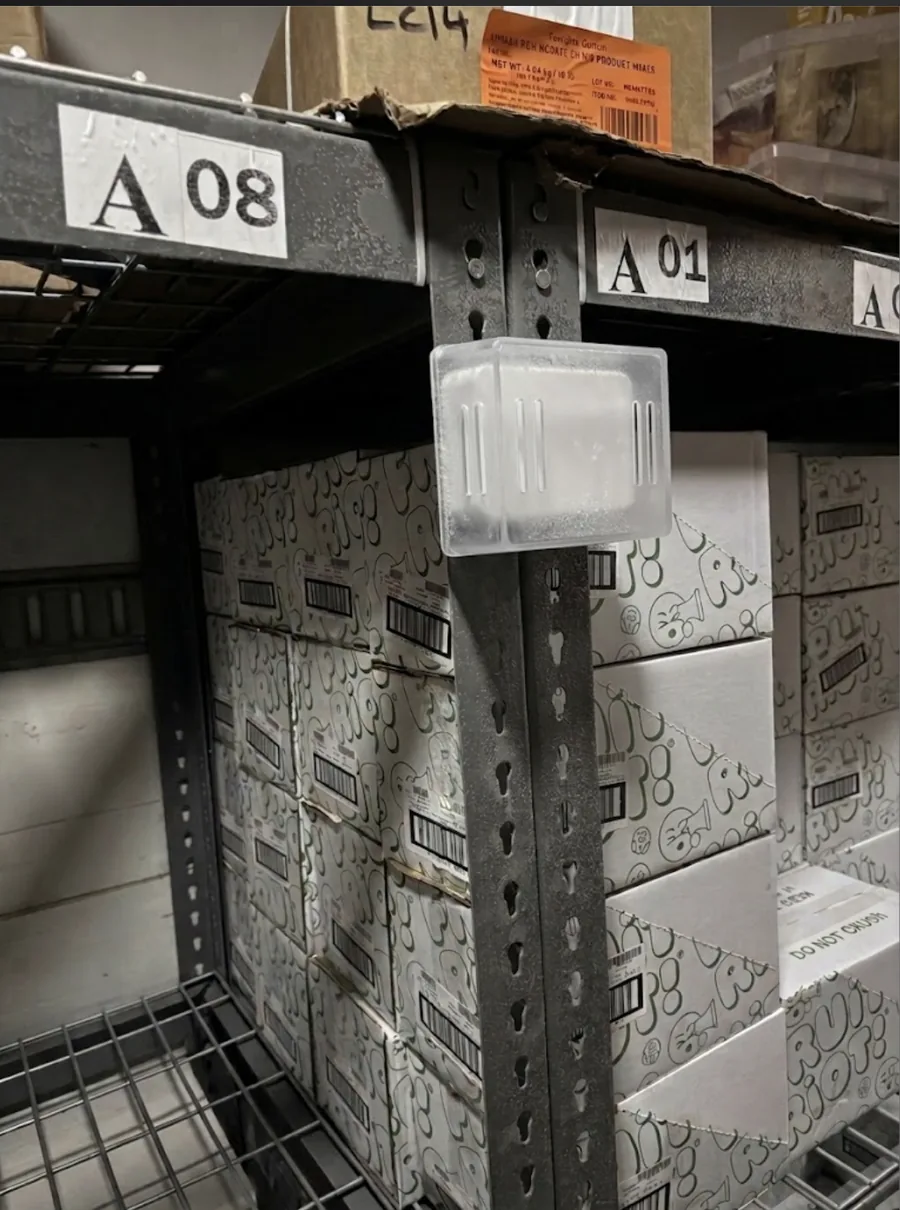
Radio margin buys you placement freedom, and that is the practical reason to care about which radio the sensor uses. It is not about a specification. It is about being able to put the sensor where the answer is.
What this page does not cover
This is the physics, not an installation checklist. The same reasoning gives different answers in different equipment, and those deserve their own pages.
A reach-in is a smaller box with a much bigger door relative to its volume, so door events dominate. A prep table is about the temperature of the pan, not the air under it. A display case is deliberately open at the front and has a designed air curtain, so the rules are different again. A blast chiller is measuring a process rather than a storage temperature.
And placement does not fix a probe that is measuring the wrong thing. A bare probe on a shelf still reads the air, and air moves far faster than food does. Placement and buffering are two separate decisions and you need both.
What we do
We ask what is in each box and how it is loaded before we say where anything goes, because the answer moves with the stock. The sensor mounts with a magnet, industrial adhesive or a screw, so putting it in the right place does not need an electrician or a hole in anything.
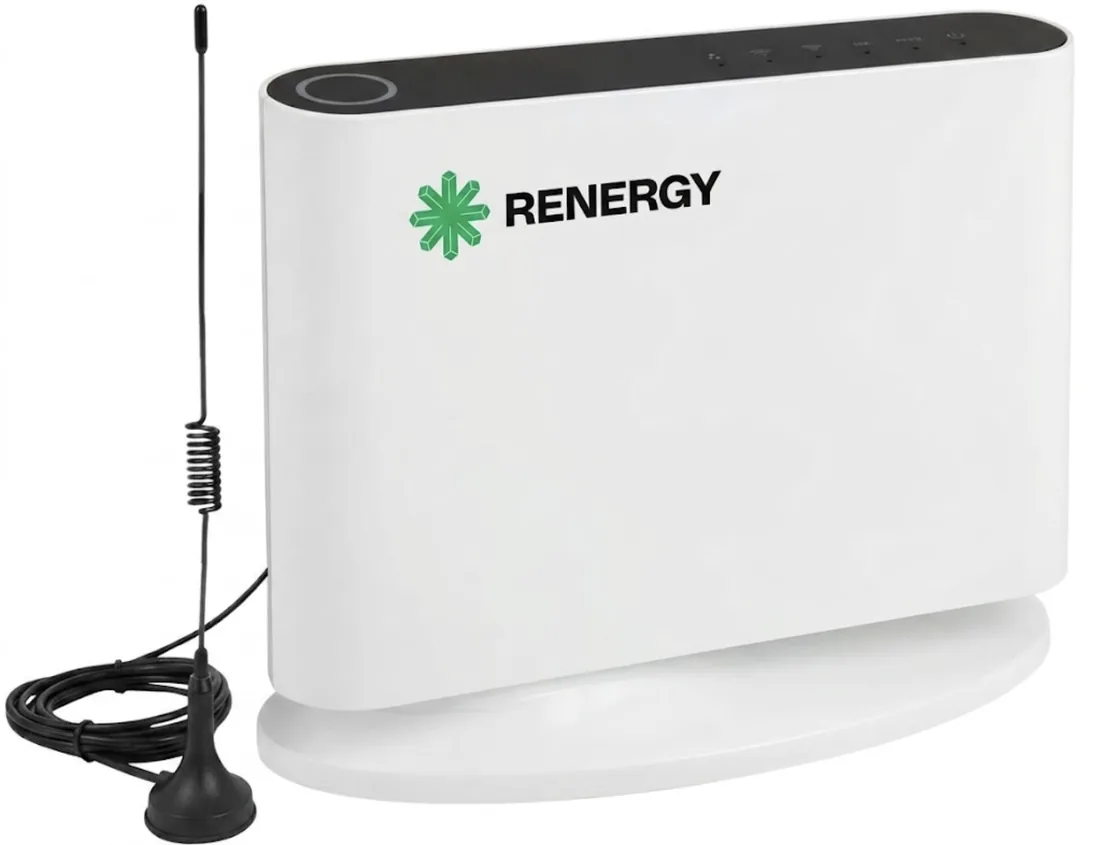
If you already own sensors you are happy with, none of this requires buying ours. Move the one you have onto a shelf at product height and you have made the largest single improvement available to you, for nothing.